
Why Sweater Upcycle Ideas Are a Smart, Sustainable Choice
Sweater upcycle ideas give your old knitwear a second life — instead of sending it to a landfill. Whether your sweater has a hole, a stain, or just doesn’t fit anymore, there are dozens of ways to transform it into something useful and beautiful.
Here are the most popular sweater upcycle ideas to get you started:
- Mittens or fingerless gloves — cut from sleeves using the existing hem
- Beanie hat — shaped from the sweater body with the hem as the edge
- Pillow cover — stuff with an insert for an instant cozy home accent
- Throw blanket — sew squares from multiple sweaters into a patchwork quilt
- Leg warmers — simply cut off the sleeves and hem the raw edges
- Mug cozy — cut a sleeve strip and secure with a button or Velcro
- Cardigan — convert a pullover by cutting up the front
- Sweater pumpkins — stuff a sleeve with fiberfill for seasonal decor
- Infinity scarf — cut a wide loop from the body and join the ends
- Christmas stocking — trace a pattern, cut, sew, and embellish
The textile industry generates enormous waste. Clothing that ends up in thrift stores — or worse, landfills — still has real value. One old sweater can become up to eight different projects, from wearable accessories to home decor, without spending much money at all.
That’s good for the planet, and good for your wallet.

Getting Started with Sweater Upcycle Ideas
Before we dive into the projects, we need to talk about preparation. Just like you wouldn’t paint a wall without cleaning it first, you shouldn’t start your sweater upcycle ideas without a little bit of groundwork. At FinanceZenX, we believe that preparation is the key to both financial and creative success.
Sourcing Your Materials
If you don’t have a pile of old sweaters in your closet, thrift stores like Goodwill are gold mines. Look for natural fibers like wool, cotton, or cashmere. Even a sweater with a massive stain or a hole can be a treasure; we only need the “good” parts of the fabric. In fact, damaged luxury items are often marked down to just a few dollars, making them perfect for budget-friendly crafting.
Essential Tools
You don’t need a high-end studio, but a few basics will make your life easier:
- Sharp fabric scissors: Dull blades will chew through knit fabric and cause fraying.
- Sewing machine: While many projects can be hand-sewn, a machine with a zigzag stitch or a serger is ideal for stretchy fabrics.
- Measuring tape and tailor’s chalk: Precision prevents waste.
- Pins or clips: To hold those slippery knits in place.
The Art of Deconstruction
When we take a sweater apart, we want to maximize every inch. Many crafters prefer to unpick the ribbing from the hem, neckline, and cuffs to reuse them as finished edges. If you’re working with 100% wool, you might want to try “felting.” This involves washing the sweater in hot water and drying it on high heat. The fibers lock together, creating a dense, felt-like material that won’t unravel when cut. This is a great tip, much like the tips for upcycling old furniture where the prep work defines the final quality.
For more advanced deconstruction, you can learn about Making The Perfect Upcycled Sweater | Modern Mending, which suggests unraveling seams or even re-knitting sections to create a custom fit.
Beginner-Friendly Wearable Refashions
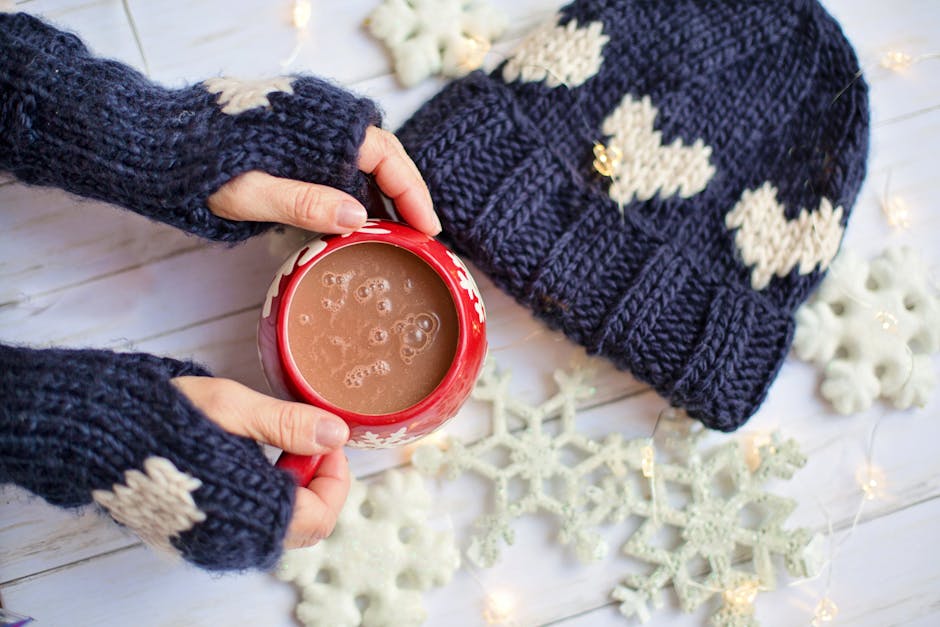
One of the most rewarding parts of exploring sweater upcycle ideas is creating something you can actually wear. You don’t need to be a master tailor to turn a baggy pullover into a chic accessory.
Cozy Mittens and Beanies
Mittens are perhaps the easiest entry point. We recommend laying your hand on the bottom corner of the sweater, using the existing ribbed hem as the wrist cuff. Trace around your hand (leaving a generous seam allowance), cut two pieces, and sew them together. It’s a 15-minute project that saves you from buying new winter gear. Beanies follow a similar logic: use the bottom hem of the sweater as the hat’s opening, cut a dome shape from the body, and sew the top closed.
Fingerless Gloves and Leg Warmers
If your sweater sleeves are in good shape but the body is ruined, don’t toss them! Sleeves are pre-made tubes. For fingerless gloves, cut the sleeve to your desired length, snip a small hole for your thumb, and hem the raw edge. For leg warmers, simply cut the sleeves off and hem both ends. They look great over boots and provide an extra layer of warmth during those chilly morning commutes.
The Cardigan Conversion
Do you have a crew-neck sweater that feels a bit too “stuffy”? You can perform a DIY Sweater Re-Style — Meghan Makes Do by cutting straight down the center of the front. To finish the edges, you can sew on a pretty ribbon, add a zipper, or even use flannel scraps to create a contrasting border. This is a fantastic way to turn your old clothes into useful home items and wearables that fit your current style better.
Quick No-Sew Sweater Upcycle Ideas
We know that not everyone has a sewing machine or the patience for needle and thread. Luckily, many sweater upcycle ideas are completely no-sew.
- The Belted Shape Shift: If a sweater is too big, don’t cut it. Add a stylish belt or a sash and drape the fabric naturally. This changes the silhouette without a single stitch.
- Cropped Tops: Some knits, especially those with a tight weave, curl naturally when cut. You can crop a sweater with sharp scissors and let the edge roll up for a trendy, casual look.
- Fabric Glue and Hem Tape: For items like infinity scarves, you can use iron-on hem tape or high-quality fabric glue to join edges. It’s a quick fix that holds up surprisingly well in the wash.
- Knotting: Turn a large sweater into a crop top by gathering the excess fabric at the waist and tying it into a knot.
These tricks are perfect for those who want to turn your old clothes into useful home items-2 without a major time investment.
Upcycling Specific Fabrics Like Cashmere and Wool
When we find luxury fabrics at the thrift store, our hearts skip a beat. Cashmere and wool are high-value materials that deserve a second chance.
Cashmere Scarves Even if a cashmere sweater has moth holes, you can usually harvest enough clean rectangles to create a luxurious scarf. By sewing several pieces together into a long tube and joining the ends, you can make a reversible, multi-toned infinity scarf that would cost a fortune at retail. You can find a detailed guide on How To Upcycle Damaged Cashmere Sweaters Into A Scarf | Upstyle.
Wool Diaper Covers For the eco-conscious parents among us, wool sweaters are ideal for making baby diaper covers (also known as “soakers”). Wool is naturally breathable and absorbent, making it a functional choice for cloth diapering.
Felted Coasters If you have a wool sweater that accidentally went through the hot wash and shrunk to doll-size, don’t cry! It’s now “felted.” This material is thick and won’t fray. Cut out circles or hexagons to use as coasters. They are durable, absorb condensation, and look much more expensive than they are. For more inspiration on working with these textures, check out this Upcycled sweater project | Gathered.
Transforming Knits into Home Decor
Your home should be your sanctuary, and nothing says “sanctuary” like soft, knitted textures. Using sweater upcycle ideas for home decor is a brilliant way to add warmth to your space while keeping your budget intact.
Pillow Covers
This is a classic for a reason. Simply lay a pillow insert on top of a sweater, cut a square slightly larger than the insert, and sew three sides. Insert the pillow and sew the final side (or add buttons if you want it to be removable). If the sweater has buttons down the front, use that as your opening for an easy-access cover. This fits perfectly with our elegant upcycled decor ideas for apartments.
Throw Blankets and Patchwork Quilts
If you have a collection of old sweaters in various colors, you can create a stunning patchwork quilt. Cut the sweaters into uniform squares (felting them first helps prevent unraveling) and sew them together. Back the blanket with an old flannel sheet for extra coziness. It’s a labor of love that results in a one-of-a-kind heirloom.
Sewing vs. No-Sew Home Decor
| Project | Sewing Required? | Difficulty | Estimated Time |
|---|---|---|---|
| Pillow Cover | Yes (but easy) | Beginner | 30 mins |
| Mug Cozy | Optional | Very Easy | 10 mins |
| Patchwork Blanket | Yes | Intermediate | 5+ hours |
| Sweater Pumpkin | Yes (hand sew) | Beginner | 20 mins |
| Coasters | No | Very Easy | 5 mins |
Poufs and Floor Cushions
Have a massive, chunky knit sweater that’s seen better days? Turn it into a floor pouf! Stuff it with fabric scraps, old pillows, or fiberfill. It provides extra seating for guests and a cozy spot for pets.
Seasonal Decor and Holiday Sweater Upcycle Ideas
We love a good holiday DIY. Sweaters are the ultimate material for autumn and winter decorations.
- Sweater Pumpkins: These are incredibly popular. Cut a section of a sleeve, sew one end shut, stuff it with filling, and gather the top around a stick (the “stem”). They look adorable on a fireplace mantel.
- Christmas Stockings: Use an old stocking as a template to cut two shapes from a cable-knit sweater. Sew them together and add a loop for hanging. They have a rustic, “hygge” feel that store-bought stockings just can’t match.
- Wine Bottle Bags: A sweater sleeve is the perfect size for a wine bottle. Cut the sleeve, sew the bottom, and tie a ribbon around the neck. It’s a sustainable way to creative ways to repurpose jars and bottles when giving gifts.
- Holiday Gnomes: Use the tip of a sweater sleeve for a gnome’s hat and a bit of felted wool for the body. These little guys add a touch of Scandinavian charm to any shelf.
Creative Ideas for Kids and Pets
Kids grow fast, and pets… well, they just deserve the best. Sweater upcycle ideas are perfect for these two groups because the projects are small and don’t require much fabric.
Adult-to-Child Transformations
You can easily turn a men’s large sweater into a toddler’s dress or a pair of cozy “sweater pants.” Because children’s skin can be sensitive, make sure the sweater is soft (cotton or high-quality wool blends work best). Sweater pants made from the sleeves of an adult sweater are particularly popular because the ribbing at the wrist becomes the ankle cuff.
Pet Projects
Our furry friends love the scent of their owners. Turning one of your old sweaters into a dog sweater or a cat bed is a great way to comfort them. For a cat bed, stuff a sweater with old towels and sew the neck and bottom shut. This is one of those eco-friendly DIY home projects you can try that directly benefits your household’s happiness.
If you’re feeling particularly ambitious, you can even use the scraps to make soft toys. A stuffed “bone” made from sweater fabric is much more durable than you might think. For more ideas on repurposing items for the home, see our tips-for-upcycling-old-furniture-2.
Frequently Asked Questions about Upcycling Sweaters
How do I prevent sweater knit fabric from unraveling after cutting?
This is the number one fear for beginners. To prevent your hard work from falling apart, we recommend using a zigzag stitch or a serger on all raw edges. If you’re hand-sewing, a tight blanket stitch works well. Another trick is to use “Fray Check,” a liquid seam sealant, or to felt your wool sweaters before cutting, as felted wool does not unravel. Finally, whenever possible, try to preserve and use the original finished hems of the sweater.
Can I upcycle a sweater that has holes or stains?
Absolutely! In fact, that’s the best kind of sweater to upcycle because you’re truly “rescuing” it. You can use embroidery to cover small holes or use geometric patchwork to replace a stained section with a different fabric. If you have a stain on the front, consider turning it into a cardigan and cutting that section out entirely. You can also use “faux cable” details — unravelling a bit of yarn from the collar and chain-stitching it over the blemish to draw the eye away from the flaw.
What is the difference between refashioning and upcycling?
While the terms are often used interchangeably, there is a slight difference. Refashioning usually involves altering a garment so it fits better or looks different but remains a piece of clothing (like turning a pullover into a cardigan). Upcycling is a broader term that involves taking something of low value and turning it into something of higher value, which could be a new garment, a home decor item, or even a toy. Both are essential parts of sustainable wardrobe management.
Conclusion
At FinanceZenX, we believe that living a rich life doesn’t have to cost a fortune. By embracing sweater upcycle ideas, you are participating in a zero-waste lifestyle that honors both your creative spirit and your financial wellness. Every sweater you save from a landfill is a small victory for the planet and a cozy addition to your home or wardrobe.
Upcycling isn’t just about saving money; it’s about shifting our philosophy toward the things we own. Instead of seeing a hole as the end of a garment’s life, we see it as an opportunity for a new beginning. We hope these ideas inspire you to look at your closet with fresh eyes.
Ready to dive deeper into sustainable living? Discover more at FinanceZenX Upcycling and join our community of eco-friendly DIY enthusiasts!
