
Why More Families Are Switching to Plant Based Cleaning Agents
Plant based cleaning agents are cleaning products made from ingredients derived from plants, minerals, and other natural, renewable sources — instead of petroleum-based or synthetic chemicals.
Here’s a quick comparison to help you decide:
| Feature | Plant-Based Cleaners | Conventional Cleaners |
|---|---|---|
| Ingredient source | Renewable plants (coconut, corn, citrus) | Petroleum and synthetic chemicals |
| Biodegradable | Yes, most formulas | Often not |
| Safe for kids and pets | Generally yes | Often contains harsh chemicals |
| Effective on grease/stains | Yes, with right formula | Yes |
| Eco-friendly packaging | Often refillable or plastic-free | Typically single-use plastic |
| Certifications available | USDA Biobased, EPA Safer Choice, Leaping Bunny | Varies widely |
If you want the short answer: yes, plant-based cleaners work — and the best ones rival conventional products on performance while being far safer for your home, your family, and the planet.
The cleaning products under your sink may be doing more harm than you think. Many conventional cleaners contain chemicals that can linger on surfaces, vaporize into the air, and cause irritation or allergies. When rinsed down the drain, those same chemicals can damage aquatic ecosystems.
That’s why millions of households have already made the switch. Brands focused on plant-derived formulas are growing fast — and not just because they’re “greener.” People are switching because they actually work, and because the old way of cleaning feels increasingly hard to justify.
Whether you’re new to eco-friendly cleaning or trying to figure out which products are worth the money, this guide breaks down the top-rated options by room, use case, and budget.

Understanding Plant Based Cleaning Agents and Their Benefits
When we talk about plant based cleaning agents, we are referring to a shift from chemistry sets to biology. Traditional cleaners often rely on ammonia, chlorine bleach, and synthetic fragrances that contribute to poor indoor air quality. In contrast, plant-powered solutions utilize surfactants derived from coconut, corn, and palm kernel oils to lift dirt without the “chemical cloud.”
The benefits of making this switch extend far beyond just a pleasant scent. First, there is the matter of health safety. Conventional cleaners often contain Volatile Organic Compounds (VOCs), which can trigger asthma or skin irritation. By choosing plant-based options, we significantly reduce the “toxic load” in our homes, which is especially vital for households with crawling toddlers or curious pets.
Environmental impact is the second major pillar. When we rinse synthetic detergents down the drain, they don’t just disappear; they can wreak havoc on aquatic life. Plant-based formulas are typically biodegradable, meaning they break down into harmless elements that don’t persist in our waterways. Furthermore, sourcing ingredients from regrowable crops like coconuts—where a single tree can produce fruit for 80 years—is a win for renewable sourcing.
For a deeper dive into why these shifts matter for your home’s ecosystem, check out our guide on uncovering the best eco-friendly cleaning products. By reducing VOCs and choosing scientific research-backed plant-powered surfactants, we create a sanctuary that is truly clean, not just “chemically sanitized.”
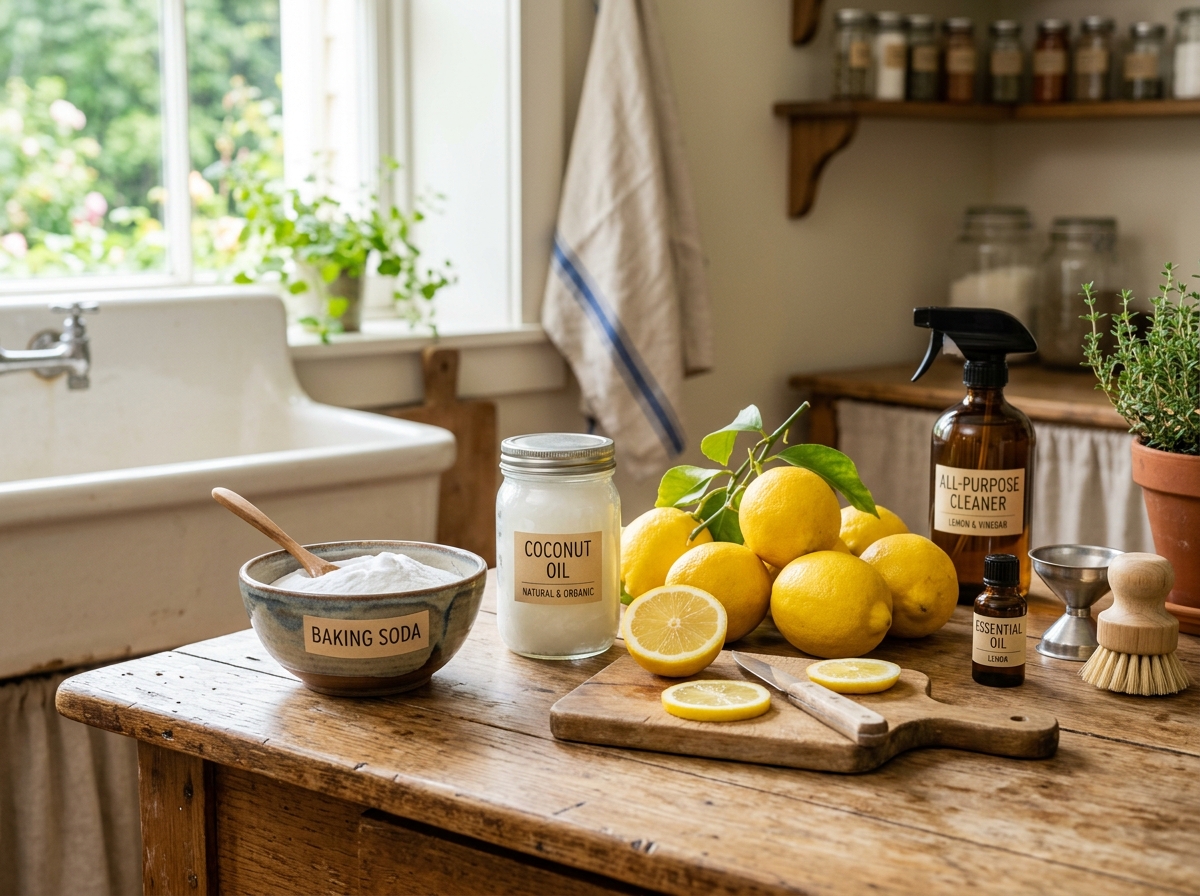
Top Rated Plant Based Cleaning Agents for Every Room
Choosing the right agent depends on the task at hand. You wouldn’t use a delicate glass cleaner to scrub a greasy engine, and the same logic applies to natural products. Below is a snapshot of how the top categories stack up:
| Category | Top Performance Metric | Best For |
|---|---|---|
| All-Purpose | Streak-free finish | Counters, toys, electronics |
| Dish Soap | Grease-cutting suds | Pots, pans, delicate glassware |
| Laundry | Stain lifting & softening | Linens, baby clothes, activewear |
| Heavy Duty | Grime suspension | Floors, appliances, industrial messes |
For those looking for a “do-it-all” solution, the Plant Based All-Purpose Cleaner is a standout. It uses bio-based solvents to tackle sealed granite, stainless steel, and vinyl without harsh fumes. If you prefer a formula crafted by biochemists to ensure it beats DIY vinegar mixes, the Plant-Powered Everyday Multi-Surface Cleaner | Puracy is a top-tier choice that is 99.51% natural.
High-Performance Kitchen and Dish Solutions
The kitchen is the heart of the home, but it’s also where we use the most water and detergent. Traditional dish soaps can be harsh on hands, leading to dry, cracked skin. Plant-based alternatives like Plant‑Based Dish Soap, Cleansing & Protection | Homecourt solve this by adding hydrating glycerin to their formula, making it skin-safe yet powerful enough to dissolve stubborn grease.
Another household staple is the Free & Clear Dish Soap Powered By Plants And Made Without Dyes & Fragrances – ECOS®. This product is a masterclass in transparency, avoiding over 500 banned ingredients while remaining hypoallergenic. For more tips on maintaining a pristine kitchen naturally, explore our resources on natural and organic home cleaners for a spotless home.
Heavy-Duty and Industrial Strength Plant Based Cleaning Agents
There is a common myth that “natural” means “weak.” However, professional-grade products like All Clean Natural – Project Clean prove otherwise. This highly concentrated cleaner is designed for everything from classroom equipment to pressure washers. With a pH of 10.0-11.0, it offers powerful wetting and penetration to lift heavy grime while maintaining ECOLOGO certification.
When dealing with tough stains on white linens or neglected porcelain sinks, look for products mentioned in the 10 Best Natural And Nontoxic Cleaning Products (2026). These often utilize bio-enzymes to “eat” through organic stains. If you’re feeling adventurous, you can even look into natural cleaning product recipes for a greener home to tackle heavy-duty jobs with simple pantry staples.
Human-Safe Laundry and Surface Concentrates
One of the most efficient ways to clean is by using a single, high-quality concentrate. Branch Basics – Human Safe Cleaning Products has pioneered this “all-in-one” model. Their concentrate can be diluted to create laundry detergent, bathroom scrub, and glass cleaner, effectively decluttering your cabinets.
For those who shop at major retailers, looking for the Plant-based : Natural Cleaning – Target section can yield great finds like oxygen boosts and fragrance-free pods. If you want to customize your laundry routine further, we have compiled several natural cleaning product recipes for a greener home-2 that focus on scent-free, hypoallergenic results.
How to Identify Truly Non-Toxic and Eco-Friendly Labels
With the rise of “greenwashing”—where companies use buzzwords like “natural” or “earth-friendly” without any backing—knowing how to read a label is a superpower.
We recommend looking for these specific third-party certifications:
- USDA Biobased: Confirms the percentage of ingredients derived from renewable biological sources.
- Leaping Bunny: The gold standard for ensuring no animal testing was involved.
- EPA Safer Choice: Indicates that every ingredient has been vetted by the EPA for human health and environmental safety.
Transparency is key. Truly honest brands will list their full ingredients and CAS numbers. If you’re interested in taking full control of what goes into your bottles, check out reviving your space with diy natural cleaners or our guide on easy to make plant based cleaners for the home.
The Financial and Environmental Impact of Refillable Models
At FinanceZenX, we believe that sustainability and financial wellness go hand-in-hand. While a single bottle of plant-based cleaner might seem more expensive upfront, the “refill and reuse” model is where the real savings happen.
By purchasing concentrated refills, you aren’t paying for the company to ship water (which makes up 90% of most cleaners). This reduces the carbon footprint of shipping and slashes the amount of single-use plastic entering landfills. For example, a 16oz concentrate that makes a gallon of cleaner significantly lowers the cost-per-use compared to buying individual spray bottles every month.
Furthermore, many brands offer subscription discounts—ranging from 10% to 40%—which automates your savings. When you combine bio-based ingredient sustainability with a zero-waste mindset, you’re not just cleaning your house; you’re tidying up your budget.
Frequently Asked Questions about Plant Based Cleaning Agents
Are plant based cleaning agents as effective as traditional chemicals?
Absolutely. Modern formulations use citric acid for soap scum, enzymes for laundry stains, and plant-derived surfactants for grease. The main difference is “dwell time.” Because they don’t use harsh corrosives, you might need to let a natural cleaner sit for 30–60 seconds before wiping to let the biology do the work.
Are these products safe for use around pets and children?
Yes, most are designed to be pH-balanced and fume-free. This means no “chemical headaches” after cleaning the bathroom and no worries if a pet licks a freshly mopped floor. Always look for “hypoallergenic” and “fragrance-free” if you have ultra-sensitive skin.
How can I transition to a plant-based home affordably?
Start small. Don’t throw away your current cleaners—that’s wasteful! As you run out of a product, replace it with a plant-based concentrate or a bulk-buy option. Utilizing multi-purpose cleaners also saves money by reducing the number of specialized products you need to buy.
Conclusion
Transitioning to plant based cleaning agents is a simple yet profound way to align your home with a sustainable lifestyle. At FinanceZenX, our mission is to show that eco-friendly living doesn’t have to be a luxury; it can be a pathway to both environmental and financial wellness. By choosing concentrates, looking for real certifications, and supporting brands that prioritize biodegradable ingredients, we protect our families and our planet simultaneously.
For more tips on integrating green philosophy into your daily life, explore more info about eco-friendly products on our site. Happy cleaning!
