
The Plastic Problem You’re Probably Already Thinking About
Finding a reliable biodegradable garbage bags manufacturer is easier than ever — and below are the most trusted names worth knowing about:
| Manufacturer | Location | Key Strength |
|---|---|---|
| Orizon Bags | China | 16+ years OEM, certified to EN13432, BPI, ASTM D6400 |
| HemcBags | China | 20 years experience, patented compostable formulations, ISO 9001 |
| Ecopro | China | Distributing since 2003, CE/ISO certified, 3000+ sqm facility |
| HoldOn | USA | BPI certified, plant-based cornstarch, 4.7/5 stars from 1,896 reviews |
| Bag Ups | USA | Veteran-owned, Made in USA, ASTM D6954-18 certified |
| BIOvative | Germany | Made in Germany, climate-neutral manufacturing, DINplus + OK Compost HOME |
| Plasticplace | USA | 100,000+ customers, sizes 12–55 gallon, bulk pricing |
Here’s a number that’s hard to ignore: over 500 billion plastic bags are used every year around the world. That’s roughly 70 bags for every person on Earth — every single year.
And once those bags are used? Most end up in a landfill, where a single plastic bag can take up to 1,000 years to break down. Along the way, it leaches toxins and breaks into microplastics that pollute waterways and harm wildlife. Around 1 million marine animals die from plastic pollution each year.
If you’ve been feeling the weight of that waste — you’re not alone.
The good news is that biodegradable and compostable garbage bags offer a real, practical alternative. Made from plant-based materials like cornstarch and PLA, these bags can break down in as little as 90 to 180 days under the right conditions — up to 1,000 times faster than conventional plastic.
This guide walks you through how these bags are made, which manufacturers to trust, what certifications actually matter, and how to find the right bag for your home or business.
The Science Behind a Biodegradable Garbage Bags Manufacturer
When we look at a standard green or translucent trash liner, it’s easy to assume it’s just “different plastic.” In reality, the work of a biodegradable garbage bags manufacturer involves a sophisticated blend of chemistry and agricultural science. Unlike traditional polyethylene (derived from petroleum), these eco-friendly alternatives start their life in a field rather than an oil rig.
The manufacturing journey begins with raw bioplastic resin pellets. These pellets are often a proprietary mix of Polylactic Acid (PLA), Polybutylene Adipate Terephthalate (PBAT), and cornstarch. Manufacturers like China’s Trusted Compostable Bags Manufacturers & Suppliers use these renewable inputs to create a film that mimics the flexibility of plastic but remains digestible by microorganisms.
The technical process generally follows these steps:
- Extrusion: The resin pellets are melted and blown into a massive vertical “bubble” of thin film.
- Cooling: Air cools the film as it moves up a tower, setting the thickness (often measured in mils).
- Conversion: The film is flattened, cut to size, and sealed.
- Sealing: High-end manufacturers utilize “eight-fold sealing” or “star-seal” technology. This ensures the bottom of the bag is reinforced, providing the leak-proof performance we all expect when carrying heavy kitchen scraps.
Understanding these steps is a great way to how to reduce plastic use at home because it highlights that we aren’t sacrificing quality for sustainability; we are simply upgrading the technology.
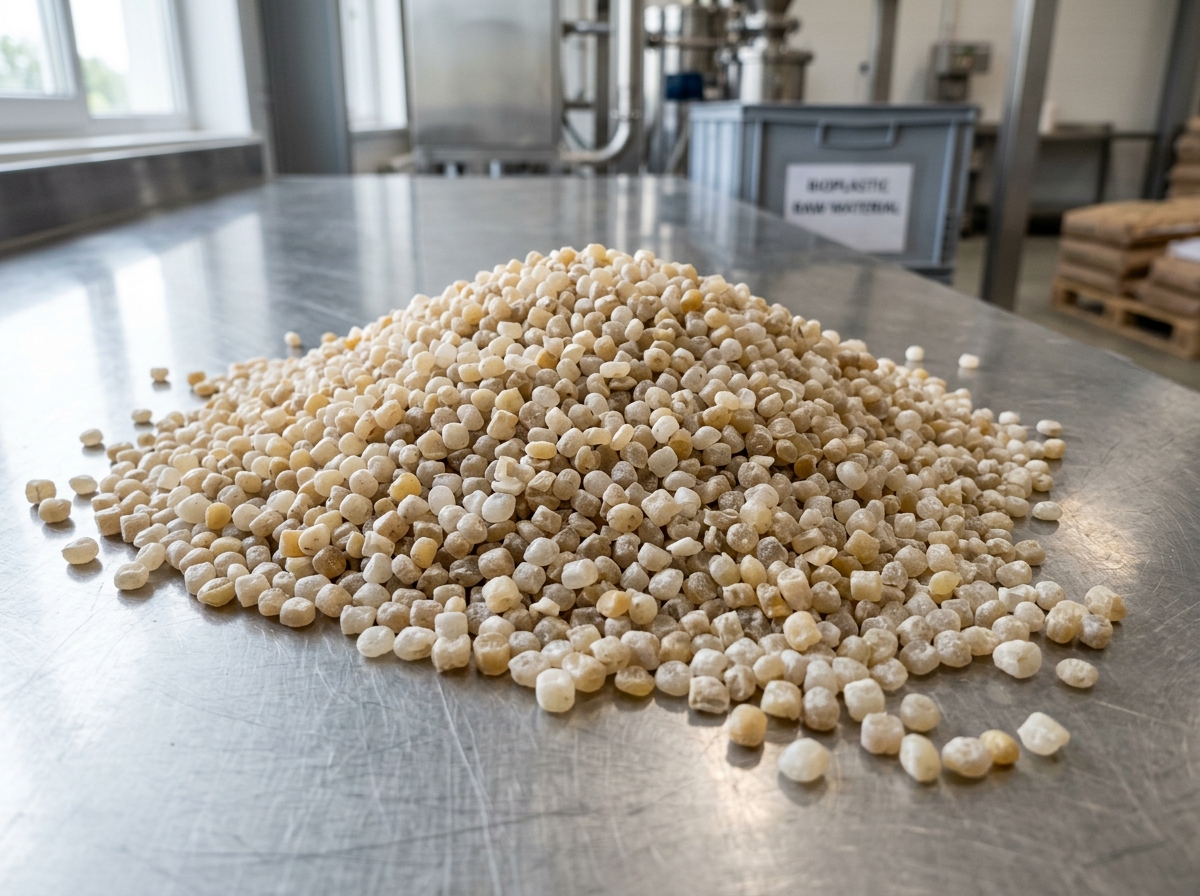
Materials Used by a Biodegradable Garbage Bags Manufacturer
What exactly goes into the mix? Most manufacturers prioritize renewable resources to lower the carbon footprint of production. Common ingredients include:
- GMO-Free Cornstarch: Provides the organic “food” that microbes love.
- Vegetable Oils: Act as plasticizers to keep the bag from becoming brittle.
- PLA (Polylactic Acid): Derived from fermented plant starch (usually corn or sugarcane).
- PBAT: A biodegradable polymer that adds the “stretch” and “toughness” needed to prevent tears.
By modifying these biopolymers, a biodegradable garbage bags manufacturer can create products that are 100% plastic-free. If you are curious about how these materials feel in daily use, you can check out our biodegradable kitchen tools review for a deeper dive into the texture and durability of plant-based household items.
Quality Standards for a Biodegradable Garbage Bags Manufacturer
We’ve all had that nightmare scenario: a trash bag splitting open halfway to the curb. To prevent this, top-tier manufacturers like those found at Home – Compostable Packaging Solutions | HemcBags adhere to rigorous quality standards.
Key performance metrics include:
- Tensile Strength: The ability of the material to resist breaking under tension.
- Thickness: While many grocery bags are thin, eco-friendly liners often aim for a 1.2 mil thickness to ensure they can handle heavy, wet waste.
- Moisture Barrier: A multi-layer structure is often used to prevent liquid from seeping through—a common complaint with early versions of biodegradable bags.
- ASTM D6954-18: A standard used by companies like Bag Ups to ensure the plastic truly degrades into harmless remnants rather than just smaller plastic shards.
Understanding Certifications and Decomposition Timelines
Not all “green” bags are created equal. The terms “biodegradable” and “compostable” are often used interchangeably, but in the manufacturing world, they have very different legal and scientific meanings.
To ensure you are buying a genuine product, look for these specific certifications:
- BPI (Biodegradable Products Institute): Meets ASTM D6400 standards. This is the gold standard in the US for compostability.
- TÜV OK Compost (Home vs. Industrial): This European certification tells you if the bag will break down in your backyard bin (Home) or if it requires the high heat of a city facility (Industrial).
- EN13432: The European standard for packaging recoverable through composting and biodegradation.
Decomposition Timelines In a commercial composting facility, these bags are designed to break down in under 180 days. Some high-performance bags, like those from BioBag, can even vanish in as little as 10 to 45 days. In a home compost pile, which is cooler and less active, the process might take 6 to 12 months. This is a massive improvement over the 1,000-year sentence of traditional plastic! For more tips on managing your bins, read our guide to reduce household waste effectively.
Choosing the Right Bag for Your Sustainable Lifestyle
Selecting the right bag depends on your specific needs. A biodegradable garbage bags manufacturer usually offers a wide range of sizes, from tiny 3-gallon countertop bins to massive 55-gallon commercial liners.
- Kitchen Liners (13 Gallon): Look for drawstring handles for easy tying. These are the workhorses of the home.
- Yard Waste (30-55 Gallon): These need to be extra thick to handle sticks and wet grass. Some, like the BioBag Lawn & Leaf, can handle wet conditions without immediate failure.
- Pet Waste: Small, leak-proof rolls that often include cornstarch to mask odors naturally.
Pro-Tips for Performance: Because these bags are designed to break down, they have a “shelf life.” To get the most out of your purchase:
- Store in a cool, dry space: Heat and moisture are the “start” buttons for decomposition.
- Use within 12 months: Don’t stockpile ten years’ worth of bags; they may lose strength over time.
- Change frequently: Try to take the kitchen trash out every 2-3 days to prevent the bag from weakening due to food moisture.
If you’re looking for more ways to green your cooking space, our zero-waste kitchen hacks offer plenty of DIY inspiration.
Environmental and Financial Benefits of Switching
At FinanceZenX, we believe that ecological health and financial wellness go hand-in-hand. While compostable bags might have a slightly higher upfront cost than the cheapest bulk plastic, the long-term “hidden” savings are substantial.
Environmental Impact:
- CO2 Savings: Plant-based bags often result in lower greenhouse gas emissions during production compared to fossil-fuel-based plastics.
- Microplastic Prevention: Certified compostable bags turn into CO2, water, and nutrient-rich soil, leaving no toxic residue behind.
- Methane Mitigation: When organic waste is composted in a bag rather than buried in a landfill, it reduces the production of methane, a potent greenhouse gas.
Financial Wellness Perspective: Switching to these products is an investment in a “circular economy.” Many cities now offer lower trash collection fees if you divert food waste into a green bin. Furthermore, using bulk discounts or subscription models from a biodegradable garbage bags manufacturer can bring the price-per-bag down significantly—sometimes by 20-25%.
Living a how to live a zero-waste lifestyle isn’t about being perfect; it’s about making smarter choices that protect your wallet and the planet simultaneously.
Frequently Asked Questions about Eco-Friendly Liners
Do biodegradable bags break down in landfills?
This is a common misconception. Landfills are “anaerobic” environments, meaning they lack the oxygen and moisture levels required for microbes to do their work. Even a biodegradable garbage bags manufacturer will tell you that for the best results, these bags should go to an industrial composting facility or a home compost bin. In a landfill, they may take much longer to decompose, though they still avoid the 1,000-year microplastic legacy of traditional bags.
What is the difference between biodegradable and compostable?
“Biodegradable” is a broad term that isn’t always strictly regulated; it just means something will eventually break down. Some “biodegradable” plastics even contain heavy metals to help them fragment. “Compostable,” however, is a legally protected term. It means the bag must break down within a specific timeline (usually 180 days) and leave no toxic residue. Always prioritize “Certified Compostable” labels.
Are these bags as strong as traditional plastic?
Yes! Modern engineering has come a long way. Many manufacturers now use a multi-layer or triple-ply structure to ensure the bags are puncture-resistant and can hold a significant weight capacity. For example, some 13-gallon compostable bags are rated to hold up to 40 lbs without failing.
Conclusion
The shift from petroleum-based plastic to plant-based alternatives is one of the simplest ways to align your daily habits with your values. By choosing a reputable biodegradable garbage bags manufacturer, you are supporting a cleaner ocean, a smaller carbon footprint, and a more sustainable future.
At FinanceZenX, we are dedicated to helping you navigate these choices through the lens of both financial wellness and eco-friendly philosophies. Whether you are just starting your journey or are well on your way to zero-waste living, the right tools make all the difference.
Ready to take the next step? Explore our eco-friendly product guide to find more ways to save money while saving the Earth.
