
The Plastic Problem Is Bigger Than You Think — Here’s What to Do About It
Tips to reduce plastic are something more people are searching for — and for good reason.
Here are the most effective ways to get started:
- Carry reusable bags, bottles, and utensils to avoid single-use plastics on the go
- Switch to glass or stainless steel for food storage instead of plastic containers
- Buy in bulk using your own jars or cloth bags to cut down on packaging waste
- Choose bar soap, shampoo bars, and safety razors over plastic-heavy personal care products
- Say no to plastic straws, lids, and cutlery when ordering food or drinks
- Shop secondhand and choose natural fibers to reduce microplastic shedding from clothing
- Check local recycling rules before tossing — most plastics are not accepted curbside
Plastic production has exploded from just 2.3 million tons per year in 1950 to 448 million tons by 2015. And it’s still climbing.
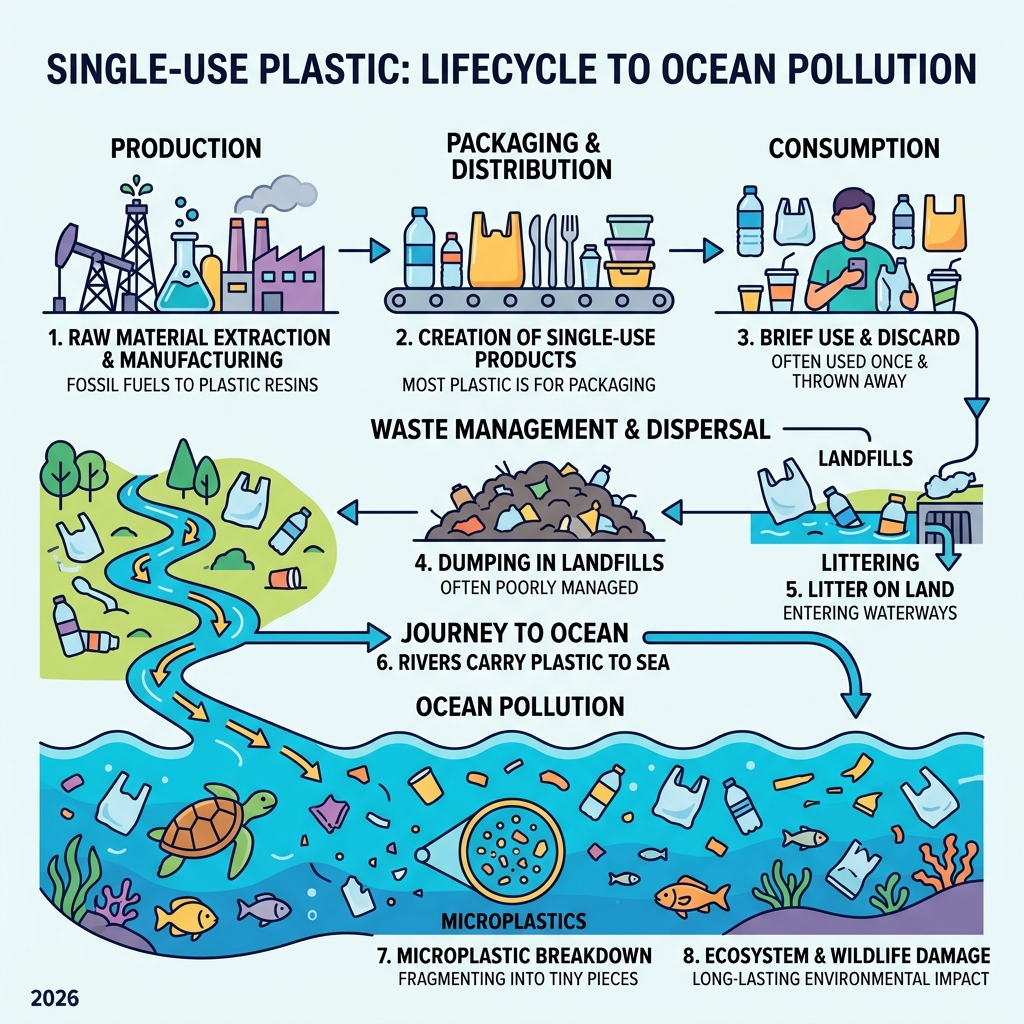
Here’s the hard truth: only 9% of all plastic ever produced has been recycled. The rest ends up in landfills, rivers, and oceans. Scientists estimate that by 2050, there could be more plastic in the ocean than fish by weight.
It doesn’t stop at the environment. Microplastics — tiny fragments that plastic breaks into — have been found in human blood, brains, placentas, and even sperm. Plastics contain over 16,000 chemicals, with more than 4,200 identified as hazardous. Many of these act as endocrine disruptors, interfering with hormones in ways researchers are still working to fully understand.
And more than 40% of all plastic produced is packaging — most of it designed to be used once and thrown away.
The good news? You don’t have to fix all of it overnight. Small, consistent swaps in your daily routine can meaningfully reduce how much plastic you consume — and in many cases, save you money in the process.
This guide walks you through exactly where to start.
Why Reducing Plastic Waste is Essential for Health and Wealth
At FinanceZenX, we believe that your financial health and the planet’s health are inextricably linked. When we talk about tips to reduce plastic, we aren’t just talking about saving the turtles (though that is a massive plus). We are talking about protecting your body from toxic chemicals and protecting your wallet from the “disposable tax.”

From an environmental standpoint, the numbers are sobering. Every year, roughly 8 million metric tons of plastic enter our oceans. This isn’t just a “litter” problem; it’s a climate problem. Plastics are derived from fossil fuels, and their production is expected to triple by 2050. According to the NRDC, about 80% of marine plastic originates on land, carried by rivers and wind from our very own streets.
But let’s talk about you. Research shows that plastics contain thousands of hazardous chemicals, including endocrine disruptors that can affect fertility and pregnancy. When you microwave food in plastic or drink from single-use bottles, you risk ingesting microplastics. In fact, some studies suggest that single-serve coffee pods and tea bags release billions of particles into a single cup.
From a financial perspective, living a zero-waste lifestyle is one of the best ways to “stop the bleed” in your monthly budget. Think about it: you are paying for the packaging of almost everything you buy. When you switch to reusables, you stop paying for that marketing-heavy plastic wrap over and over again.
Essential Swaps for the Kitchen and Pantry
The kitchen is the “plastic heart” of most homes. It’s where we see the most single-use items, from cling wrap to juice bottles. By implementing a few tips to reduce plastic here, you can cut your household waste by nearly half.
| Item | Single-Use Cost (Annual) | Reusable Cost (Initial) | 5-Year Savings |
|---|---|---|---|
| Plastic Wrap / Baggies | $60 – $80 | $20 (Beeswax/Silicone) | ~$300 |
| Bottled Water | $200 – $400 | $30 (Stainless Steel) | ~$1,500 |
| Paper Napkins | $50 | $15 (Cloth) | ~$235 |
| Total | $310 – $530 | $65 | ~$2,035 |
One of the easiest zero-waste kitchen hacks that you can diy is repurposing glass jars. Instead of buying expensive matching canisters, wash out your old pasta sauce or pickle jars. They are perfect for storing leftovers, dry grains, or even packing a salad for work. Unlike plastic, glass doesn’t leach chemicals into your food when it gets warm.
For covering food, ditch the cling wrap. Beeswax wraps are a fantastic alternative—they are breathable, washable, and compostable at the end of their life. If you’re vegan, look for soy-based or plant-wax versions.
Smart Alternatives for Food Storage and Cooking
If you’re ready to upgrade your gear, focus on materials that last a lifetime. Stainless steel and Pyrex glass containers are the gold standard. They are durable, easy to clean, and won’t retain smells like that old plastic container that still reeks of last month’s curry.
We also recommend checking out this guide to making reusable household items to see how you can transition your cooking tools. Swap out plastic cutting boards—which shed microplastics directly into your food—for bamboo or FSC-certified wood boards. When it comes to pans, move away from Teflon-coated non-stick (which can flake) and embrace cast iron or ceramic cookware. They require a bit more care, but they are significantly safer for your long-term health.
Budget-Friendly Strategies for Bulk Buying
Bulk buying is where the “Zen” in FinanceZenX really shines. Buying in bulk allows you to skip the “convenience fee” of small-scale packaging.
- Find a Refill Station: Many health food stores now allow you to refill laundry detergent, dish soap, and even shampoo.
- Bring Your Own Jars: Weigh your empty mason jars at home or at the front of the store (this is called the “tare weight”) so you don’t pay for the weight of the glass.
- Use Cloth Bags: If you haven’t made them yet, check out these simple-ideas-to-make-diy-reusable-bags-at-home to help carry dry goods like nuts, pasta, and flour without using those flimsy plastic produce bags.
Proven Tips to Reduce Plastic While Shopping and On-the-Go
The world is designed for convenience, which usually means “wrapped in plastic.” To fight this, we need to be prepared.
When you head to the grocery store, bring your own canvas totes. If you forget them, don’t beat yourself up—just ask for paper or carry your items out loose if you can. For produce, nature already gave oranges and bananas a “wrapper.” You don’t need a plastic bag for a bunch of bananas.
According to the Plastic Pollution Coalition, starting small is key. If you’re a frequent shopper, try visiting farmers markets. Not only is the food fresher, but it’s rarely encased in the heavy plastic clamshells found in big-box supermarkets. Plus, you’re supporting local farmers, which is a win for the local economy.
Before you buy new bags, read our making-the-switch-reusable-shopping-bags-reviewed to find the most durable options that won’t break after three trips.
Building a Zero-Waste Kit with Tips to Reduce Plastic
Being “on-the-go” is the biggest trap for single-use plastic. We’ve all been there: you’re thirsty, you’re out, and you buy a $3 plastic bottle of water. That’s a 2,000% markup on a resource you can get for free at home!
Your “Zero-Waste To-Go Kit” should live in your backpack or car. It should include:
- A Reusable Water Bottle: Stainless steel or glass is best.
- Bamboo Utensils: Lightweight and easy to tuck into a side pocket.
- A Metal or Glass Straw: For those iced coffee emergencies.
- A Travel Mug: Many coffee shops offer a discount if you bring your own!
- Cloth Napkins: Better for the environment and much more effective at cleaning up spills.
Check out our top-picks-for-reusable-home-products for recommendations on the best gear to include in your kit.
Sustainable Personal Care and Clothing Choices
Did you know that your clothes might be shedding plastic every time you wash them? Synthetic fabrics like polyester, nylon, and acrylic are essentially woven plastic. When washed, they release microfibers that are too small for most water treatment plants to catch.
To combat this, we suggest:
- Choosing Natural Fibers: Look for 100% cotton, linen, hemp, or wool.
- Thrifting: Buying secondhand reduces the demand for new plastic-based textiles.
- Microfiber Filters: You can install a filter on your washing machine or use a specialized laundry bag to catch fibers before they reach the ocean.
In the bathroom, the tips to reduce plastic are even simpler. Switch to shampoo and conditioner bars—they often last longer than two bottles of the liquid stuff and come in zero-waste paper packaging. Swap your plastic disposable razor for a safety razor. While a safety razor has a small learning curve, the blades cost about $0.10 each compared to $4.00 for a plastic cartridge. You can learn more about these bathroom swaps in our guide on how-to-reduce-plastic-use-at-home.
Mastering the Art of Recycling and Proper Disposal
Recycling is often used as a “get out of jail free” card, but it’s actually the last resort. As the EPA points out, the “chasing arrows” symbol on a container doesn’t always mean it’s recyclable in your town.
Here is a quick cheat sheet for recycling right:
- Know Your Numbers: Generally, #1 (PET) and #2 (HDPE) are the most widely accepted. Numbers #3, #6, and #7 are often “wish-cycled” and end up in landfills anyway.
- Clean and Dry: A single greasy pizza box or half-full yogurt tub can contaminate an entire batch of recycling.
- No Plastic Film: Never put plastic grocery bags or bubble wrap in your curbside bin. They tangle the machinery at the sorting plant. Most grocery stores have specific drop-off bins for these items.
- Compostable vs. Biodegradable: “Compostable” plastics usually require industrial composting facilities. If you don’t have one nearby, they will sit in a landfill just like regular plastic.
Frequently Asked Questions about Reducing Plastic
What are the easiest beginner steps for tips to reduce plastic?
The absolute easiest way to start is to follow the “Refuse” rule. Simply say “no straw, please” at restaurants and carry a reusable water bottle. These two habits alone can prevent hundreds of pieces of plastic from entering the waste stream every year. Remember: progress over perfection. You don’t need to be 100% plastic-free to make a massive difference.
How do I handle plastic that cannot be recycled curbside?
For hard-to-recycle items like toothpaste tubes or chip bags, look into specialized recycling programs like TerraCycle. Many retailers also offer take-back programs for electronics or plastic film. However, the best strategy is to refuse these items at the source whenever possible.
Is a plastic-free lifestyle more expensive for families?
While there is often an initial investment (buying glass containers or a safety razor), a plastic-free life is significantly cheaper in the long run. By buying in bulk, making your own cleaning products (vinegar and baking soda go a long way!), and avoiding the “convenience markup,” families can save thousands of dollars over a few years. For more budget-friendly ideas, see our top-picks-for-reusable-home-products-2.
Conclusion
Reducing your plastic footprint isn’t just about being “green”—it’s about being smart. It’s about taking control of your health, simplifying your home, and keeping more of your hard-earned money in your bank account.
Every time you choose a reusable bag or a bar of soap, you are voting for a cleaner planet and a more intentional lifestyle. We invite you to track your progress. Start with one room—perhaps the kitchen—and move through your house one swap at a time.
At FinanceZenX, we’re here to help you navigate the intersection of ecology and economy. For more inspiration on how to align your spending with your values, check out more sustainable living tips. Together, we can turn off the plastic tap and build a future that is both wealthy and waste-free.
