
The Economics of Eco-Friendly Gardening: Upfront vs. Long-Term ROI
When we look at financial eco gardening tips, we have to view the garden as a long-term investment account. Just like a retirement fund, there are initial deposits (startup costs) and recurring maintenance fees, but the “dividends” come in the form of crisp cucumbers and fragrant basil that didn’t cost $5.00 a bunch at the supermarket.
The upfront costs of a garden typically include soil, basic tools, seeds or starts, and perhaps some structural elements like raised beds or containers. However, many of these are one-time expenses. According to Kansas State University benchmarks, while the first year might feel expensive, the subsequent years see costs drop significantly as you transition into maintenance mode.
To maximize your ROI, we recommend focusing on “high-value crops.” These are plants that are expensive to buy at the store but relatively cheap and easy to grow at home.
| Crop | Store Price (Avg) | Homegrown Cost (Est) | Financial Return |
|---|---|---|---|
| Heirloom Tomatoes | $4.99/lb | $0.50/lb | Very High |
| Fresh Herbs (Basil/Mint) | $3.99/ounce | $0.10/ounce | Massive |
| Bell Peppers | $1.50/each | $0.20/each | High |
| Salad Greens/Arugula | $4.00/bag | $0.30/harvest | High |
| Berries (Raspberries) | $6.00/half-pint | $0.50/half-pint | Exceptional |
By focusing on these, you aren’t just gardening; you’re effectively printing your own grocery coupons. For those just starting out, integrating these Sustainable home practices for beginners can help balance the initial learning curve with immediate financial wins.
Perennials vs. Annuals for Long-Term Value
In financial eco gardening tips, perennials are the “compounding interest” of the plant world. An annual, like a marigold or a zucchini, lives for one season and dies. You have to buy or save seeds and replant every year. A perennial, however, is a “one-and-done” investment.
Think of fruit trees, asparagus, rhubarb, and berry bushes. They might cost four or five times more than a packet of seeds upfront, but they return every year, often getting larger and more productive over time. Native plants also fall into this category; because they are adapted to our local climate, they require less water and fewer soil amendments, saving us money on utility bills and fertilizers.
Seasonal Budgeting and Financial Planning
To keep your garden from becoming a “money pit,” we suggest a structured seasonal budget. Gardening expenses follow a predictable cycle: Spring is the high-spend season for soil and seeds, Summer is for maintenance and water, Fall is for harvest supplies, and Winter is for planning.
- Set Spending Caps: Decide on a maximum “fun money” amount for new plants each year to avoid impulse buys at the nursery.
- The 15% Buffer: Always set aside a small emergency fund for unexpected pests or a broken shovel.
- Off-Season Shopping: Buy tools, pots, and even some dormant perennials in late autumn when garden centers are clearing inventory.
- Tool Maintenance: Cleaning and oiling your tools in the winter prevents rust, meaning you won’t have to replace your shears every two years.
Financial Eco Gardening Tips for Soil and Fertility
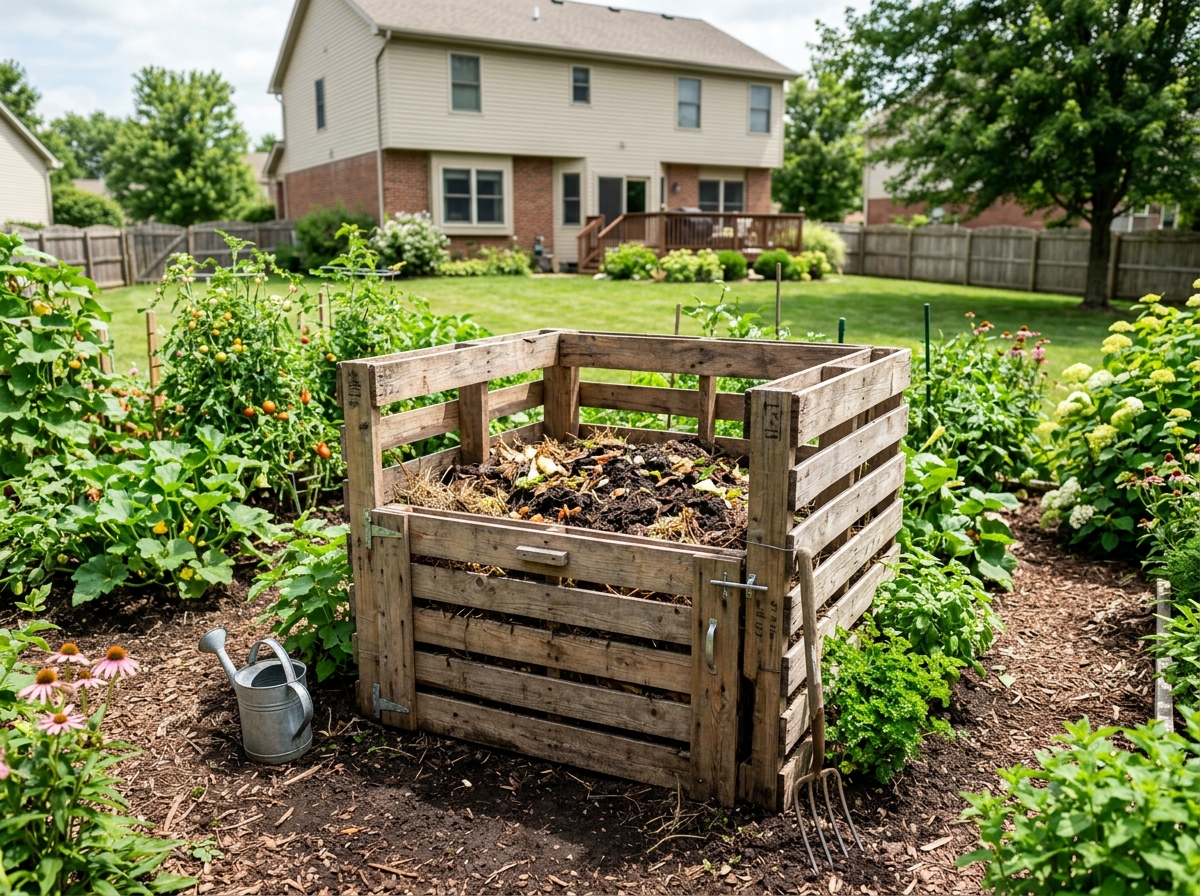
The secret to a low-cost, high-yield garden isn’t in a bottle of expensive blue liquid fertilizer; it’s in the soil microbiome. By focusing on regenerative practices, we can virtually eliminate the need for store-bought chemicals.
One of the best financial eco gardening tips is to adopt “no-till” gardening. When we turn the soil over with a tiller, we disrupt the fungal networks and release stored carbon into the atmosphere. By simply layering organic matter on top, we mimic nature, build better soil structure, and save ourselves the cost of renting a tiller or buying heavy fertilizers. To get started on this journey, check out Your guide to DIY composting at home.
Financial Eco Gardening Tips for Soil Health
Healthy soil is the foundation of a frugal garden. Instead of buying bagged “garden soil” from big-box stores, look for free local inputs:
- Soil Testing: Before you add anything, get a soil test through your local Cooperative Extension office. These are usually very inexpensive and prevent you from spending money on nutrients your soil doesn’t actually need.
- Arborist Chips: Use services like ChipDrop to get free woodchips delivered. These make excellent mulch that suppresses weeds and retains moisture.
- Municipal Mulch: Many cities offer free compost or mulch made from recycled yard waste.
- Brewery Grains and Mushroom Substrate: Local breweries and mushroom farms often have “waste” products that are incredibly nitrogen-rich and perfect for the compost pile.
For a deeper dive into making your own “black gold,” see Your guide to DIY composting at home-2.
DIY Fertilizers and Pest Control
Nature provides almost everything we need to keep plants fed and protected.
- Liquid Fertilizers: You can make “compost tea” or “weed tea” by steeping nitrogen-rich plants like nettles or borage in a bucket of water for a week. Dilute it until it looks like weak tea and pour it at the base of your heavy feeders.
- Companion Planting: Planting marigolds near tomatoes or onions near carrots can naturally deter pests, reducing the need for expensive organic sprays.
- Homemade Sprays: A simple mixture of water and a few drops of castile soap can handle most aphid outbreaks, while neem oil is a cost-effective way to manage fungal issues.
Sourcing Plants and Seeds Without Breaking the Bank

Buying mature plants from a nursery is the most expensive way to garden. If you want to master financial eco gardening tips, you must master the seed.
A packet of 50 tomato seeds costs about the same as one single transplant. If you choose heirloom varieties, you can save the seeds from your harvest to plant next year, effectively making your seed cost $0 for the rest of your life. This is a core part of building Eco-friendly habits for beginners.
Propagation and Upcycling Techniques
We don’t always need to buy seeds, either. Many plants can be “cloned” through stem cuttings or divisions. If your neighbor has a beautiful perennial, ask if you can take a cutting or help them divide the root ball in exchange for a few “babies.”
You can also grow food from your grocery “waste.” Green onions, celery, and lettuce hearts can often be regrown in a glass of water and then transplanted into soil. When it comes to starting these seeds, don’t buy plastic trays. Upcycle:
- Yogurt Pots: Perfect for starting larger seeds like beans.
- Newspaper Rolls: Can be folded into biodegradable pots that go straight into the ground.
- Milk Jugs: Cut them in half to create “mini-greenhouses” for winter sowing.
Using what you already have is a great way to practice Simple ideas to make DIY reusable bags at home and other zero-waste habits.
Community Resources and Sharing
Gardening is a social activity. Many communities offer tool libraries where you can borrow expensive items like post-hole diggers or broadforks for free. Plant swaps and Facebook gardening groups are goldmines for free divisions, extra seeds, and advice. We’ve found that most gardeners are more than happy to trade a bag of tomatoes for a little help weeding or a few extra pots.
Water Conservation and Small-Space Budgeting Strategies

Water bills can quickly eat into your garden’s ROI. To keep costs down, we recommend a multi-pronged approach:
- Rainwater Harvesting: Installing a rain barrel is a one-time cost that provides free, chlorine-free water for your plants.
- Mulching: Keeping the soil covered with straw, leaves, or woodchips can reduce evaporation by up to 70%, meaning you water much less often.
- Greywater: In some areas, you can legally reuse “light” waste water from your shower or sink (using eco-friendly soaps) to water ornamental plants.
For more ways to save on utilities while staying green, check out these Green living hacks for beginners.
Financial Eco Gardening Tips for Urban Spaces
You don’t need an acre to save money. Urban gardening is about verticality and efficiency.
- Square-Foot Gardening: This method uses a grid to maximize every inch of soil, preventing the waste of seeds and space.
- Vertical Planters: Use hanging pots or rail boxes for herbs and strawberries to keep them off the floor.
- Rolling Carts: If you have a balcony, putting your heavy pots on rolling carts allows you to chase the sun, ensuring your plants grow faster and produce more.
- Recession-Proof Strategies: Focus on calorie-dense or high-frequency items. A single windowsill of “cut and come again” lettuce can provide daily salads for months for the cost of one packet of seeds.
Maximizing Your Financial Eco Gardening Tips Through Harvest and Side Income
To get the most out of your garden, you have to prevent waste. Succession planting—planting small amounts of seeds every two weeks—ensures you don’t have 20 heads of lettuce ready at once, only to have them rot before you can eat them.
When the “harvest glut” does happen, preservation is key. Learning to can, dehydrate, or freeze your surplus allows you to “shop” from your pantry during the winter, avoiding high off-season grocery prices. A simple root cellar or even a cool basement corner can keep potatoes, onions, and squash fresh for months.
Turning Surplus into Side Income
If you find yourself with more zucchini than you can give away, consider turning your hobby into a side hustle:
- Farmers Markets: Selling surplus produce or bundled herbs can offset your garden costs.
- Selling Seedlings: Start extra seeds in the spring and sell the “starts” to neighbors who didn’t have time to start their own.
- Workshops: If you’ve mastered composting or seed saving, local community centers might pay you to teach a class.
- Edible Landscaping: Offer your services to help others replace their high-maintenance lawns with low-cost food forests.
Frequently Asked Questions about Financial Eco Gardening Tips
Can I use SNAP benefits to start a garden?
Yes! One of the best-kept secrets of food security is that SNAP benefits (EBT) can be used to purchase seeds and food-producing plants, according to USDA guidelines. This is a USDA-approved way to turn a few dollars of assistance into a season’s worth of fresh, organic produce.
What are the most cost-effective crops to grow at home?
Tomatoes, leafy greens, and fresh herbs consistently offer the best financial return. Zucchini and peppers are also high on the list because they are prolific and often expensive when bought organic at the store.
How do I avoid unexpected gardening costs?
Start small to avoid being overwhelmed and buying “emergency” supplies. Always test your soil first so you don’t buy unnecessary fertilizers, and stick to open-pollinated (heirloom) seeds so you never have to buy them again.
Conclusion
At FinanceZenX, we believe that integrating financial wellness with eco-friendly philosophies is the key to a resilient, joyful life. Gardening isn’t just about food; it’s about sovereignty, resourcefulness, and taking control of your personal economy. By using these financial eco gardening tips, you aren’t just saving pennies—you’re building a sustainable lifestyle that pays dividends for years to come.
Ready to dive deeper into frugal, green living? Explore our guide on Sustainable living on a budget or Explore more sustainable living tips to keep your garden and your wallet thriving.
