
The Truth About Eating Vegan Without Breaking the Bank
Vegan budgeting meal plans are one of the most effective ways to eat well, reduce waste, and keep your grocery bill low — all at the same time.
There’s a stubborn myth that plant-based eating is expensive. It’s not. In fact, research from Oxford University has shown that plant-based diets are significantly more cost-effective than those containing meat. The most affordable foods in any supermarket — rice, lentils, beans, oats, potatoes — are also the backbone of a vegan diet. Real-world examples back this up:
| Budget Level | Weekly Cost (1 Person) | Cost Per Meal |
|---|---|---|
| Ultra-tight | ~$20 | Under $1 |
| Moderate | ~$30 | ~$1.50 |
| Comfortable | ~$63 | ~$3 |
Here’s the short version of how it works:
- Build meals around cheap staples — dry beans, lentils, rice, and oats cost very little per serving
- Buy in bulk — unit costs drop significantly in bulk bins vs. packaged goods
- Eat seasonally — seasonal produce is cheaper, fresher, and more nutritious
- Batch cook and use leftovers — cook once, eat three or four times
- Shop smart — ethnic markets, discount stores, and store brands beat mainstream supermarket prices
If you’re an eco-conscious person trying to cut waste, eat ethically, and stay on budget, the good news is these goals all point in the same direction. Less packaging. Less meat. Less money spent.
This guide walks you through everything — from your first shopping trip to a full 7-day meal plan — so you can make it work in the real world.

Core Principles of Vegan Budgeting Meal Plans
Transitioning to a plant-based lifestyle doesn’t require a Silicon Valley salary. In fact, some of the most nutritionally dense foods on the planet are also the cheapest. When we look at vegan budgeting meal plans, we see a consistent pattern: the most successful savers focus on whole foods rather than processed “faux” meats.
Bulk Buying and Pantry Staples
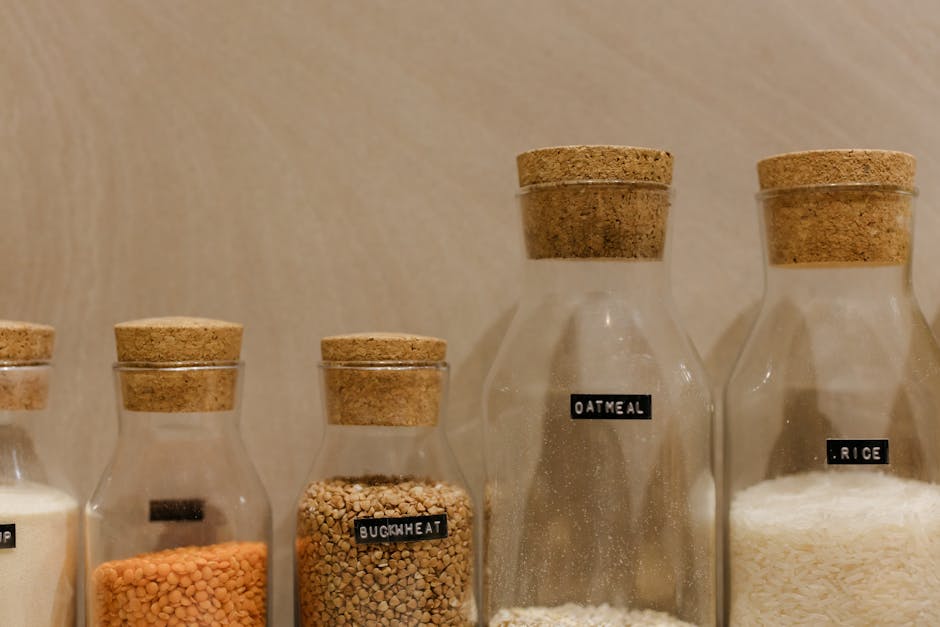
The foundation of any budget-friendly kitchen is the pantry. Buying in bulk is a game-changer for both your wallet and the planet. When you buy from bulk bins, you aren’t just saving money on the product itself; you’re avoiding the “packaging tax” and reducing plastic waste.
Focus on these “Big Four” staples:
- Grains: Brown rice, oats, barley, and quinoa.
- Legumes: Lentils (red and green), chickpeas, and black beans.
- Starches: Potatoes and sweet potatoes.
- Flavor Bases: Onions, garlic, and peanut butter.
By mastering sustainable-living-on-a-budget, you learn that the unit price (the cost per ounce or gram) is far more important than the total price on the sticker. Always check the shelf tag for the unit price to ensure you’re getting the best deal.
Seasonal Produce and Frozen Options
Eating seasonally is like getting a natural discount. A watermelon in January is expensive, travels thousands of miles, and usually tastes like crunchy water. In July, it’s cheap and delicious. If fresh produce is out of reach, don’t overlook the freezer aisle. Frozen vegetables are often frozen at peak ripeness, locking in nutrients, and they won’t rot in your crisper drawer if you forget about them for three days.
Mastering Zero-Waste Meal Prep
Meal prep is the “secret sauce” of vegan budgeting meal plans. It bridges the gap between having a fridge full of ingredients and actually having dinner on the table.
- Batch Cooking: Spend two hours on a Sunday cooking a massive pot of lentil dal or brown rice. This ensures you have a base for multiple meals throughout the week.
- Freezing Portions: If you make a 10-serving chili but live alone, freeze half immediately. This prevents “leftover fatigue” and provides a “free” meal on a night when you’re too tired to cook.
- Vegetable Pre-cutting: Chop your onions, carrots, and celery as soon as you get home from the store. You’re much more likely to cook a healthy stir-fry if the prep work is already done.
- Repurposing Scraps: Don’t toss those broccoli stems! Peel the outer skin and chop the tender inside for stir-fries. Save onion skins and carrot tops in a freezer bag to make your own zero-waste vegetable broth.
Smart Shopping for Vegan Budgeting Meal Plans
Where you shop is just as important as what you buy. Mainstream supermarkets often mark up “specialty” vegan items. Instead, try these alternatives:
- Ethnic Markets: Indian, Middle Eastern, and Asian markets are goldmines for affordable spices, massive bags of rice, and unique produce like mushrooms and bok choy.
- Discount Stores: Stores like Aldi or Lidl offer high-quality store brands that are often identical to name brands but cost 30-50% less.
- Digital Coupons: Download your grocery store’s app. Many offer “digital-only” deals that can shave $5-$10 off your weekly total.
While you’re at it, consider slashing-utility-bills-with-mindful-eco-tips to save even more money in the kitchen, such as using a slow cooker or pressure cooker, which use significantly less energy than a standard oven.
The $30 Weekly Grocery List: Affordable Staple Ingredients
Can you really eat for a week on $30? Absolutely. The trick is to stop viewing meat as the center of the plate and start seeing legumes and grains as the stars.
The Essential Shopping List
If we were building a $30 basket today, here is what it might look like:
- Dry Brown Lentils (1 lb): ~$1.50
- Dry Chickpeas (1 lb): ~$1.50
- Brown Rice (2 lbs): ~$2.00
- Old Fashioned Oats: ~$3.00
- Large Bag of Potatoes: ~$5.00
- Block of Extra Firm Tofu: ~$2.50
- Peanut Butter: ~$2.50
- Frozen Mixed Vegetables: ~$3.00
- Bananas (1 bunch): ~$2.00
- Seasonal Greens (Kale or Spinach): ~$3.00
- Onions and Garlic: ~$4.00
Total: ~$30.00
Dry vs. Canned: The Great Debate
One of the easiest ways to slash your budget is to switch from canned beans to dry beans.
| Item | Average Cost | Servings | Cost Per Serving |
|---|---|---|---|
| Canned Chickpeas (15oz) | $1.20 | 1.5 cups | $0.80 |
| Dry Chickpeas (1 lb) | $1.50 | ~6-7 cups (cooked) | $0.22 |
As the table shows, cooking from scratch is nearly four times cheaper. If you’re worried about time, one 15-oz can equals about 1.5 cups of cooked beans. You can cook a large batch of dry beans on Sunday and keep them in the fridge for the week.
High-Protein Recipes Under $3 Per Serving
You don’t need expensive protein powders to hit your macros. These recipes are filling, nutritious, and incredibly cheap:
- Lentil Soup: A classic “budget banger.” Sauté onions, carrots, and garlic, add dry lentils and water (or your homemade scrap broth), and simmer until tender. Cost: ~$0.75 per serving.
- Chickpea Curry: Use canned coconut milk (or just water and spices for an ultra-budget version), chickpeas, and whatever frozen veggies you have. Serve over rice. Cost: ~$1.20 per serving.
- Bean Tacos: Mash black beans with cumin and chili powder. Serve in corn tortillas (usually cheaper than flour) with a squeeze of lime. Cost: ~$1.00 per serving.
- Savory Oats: Who says oats are just for sugar? Cook them with vegetable broth and top with sautéed greens and a splash of soy sauce. It’s a high-protein, savory breakfast or lunch.
Designing Your First Vegan Budgeting Meal Plans
The biggest mistake beginners make is trying to cook a brand-new, complex recipe every single night. This leads to burnout and a lot of half-used, rotting ingredients. Instead, use a “building block” approach.
The 7-Day Menu Structure
A successful week starts with an inventory check. Look at what you already have in your pantry. Did you leave a half-jar of pasta sauce in the back of the fridge? Start there.
Sample 7-Day Plan:
- Breakfast: Overnight oats with peanut butter and banana (Every day).
- Lunch: Leftover dinner from the night before.
- Monday: Chickpea Curry with Rice.
- Tuesday: Bean and Potato Tacos.
- Wednesday: Lentil Soup with Crusty Bread.
- Thursday: Tofu and Frozen Veggie Stir-fry.
- Friday: Potato and Chickpea “Power Bowls” with greens.
- Saturday/Sunday: “Kitchen Sink” Fried Rice or Soup (use up all remaining veggies).
For those living in smaller spaces, check out sustainable-home-tips-for-renters for advice on how to organize a small kitchen to make meal prep easier and more efficient.
Nutritional Balance on a Tight Budget
When you’re eating on a budget, you shouldn’t have to sacrifice your health. While a whole-food plant-based diet is naturally high in fiber and vitamins, there are a few key nutrients to watch:
- B12: This is the one non-negotiable supplement for vegans. As explained by the National Institutes of Health, B12 is essential for brain health and red blood cell formation. Fortunately, a year’s supply of B12 is very inexpensive. You can also find it in fortified nutritional yeast or plant milks.
- Iron Absorption: Plant-based iron (non-heme) is best absorbed when paired with Vitamin C. Add a squeeze of lemon to your lentil soup or eat a bell pepper with your bean tacos.
- Calcium: Look for calcium-set tofu (check the label) and fortified plant milks. Greens like kale and bok choy are also excellent sources.
- Omega-3s: Flaxseeds, chia seeds, and walnuts are great sources. Buying these in the bulk section makes them much more affordable.
Avoiding Common Budgeting Mistakes
We’ve all been there: you go to the store with good intentions and leave with $80 worth of vegan cheese and fancy crackers.
- The “Faux Meat” Trap: Vegan burgers and sausages are great for a treat, but they are often the most expensive items in the store. Stick to “peasant foods” like beans and lentils for 90% of your meals.
- Overbuying Perishables: Don’t buy a giant bag of spinach if you know you only have two salads planned. It will turn into green slime before Friday. Buy only what you have a plan for.
- Ignoring Sales: If tofu is “Buy One, Get One Free,” buy four and freeze them. Tofu freezes beautifully and takes on a meatier texture afterward!
Frequently Asked Questions about Vegan Budgeting
Is a vegan diet actually cheaper than a meat-based one?
Yes! Multiple studies and real-world trials have shown that a whole-food plant-based diet is consistently cheaper than a standard diet containing meat and dairy. Meat is often the most expensive part of a grocery bill. By replacing a $12 pack of chicken with a $1.50 bag of lentils, you’re instantly saving over $10.
How can I get enough protein without spending a lot on supplements?
Protein is abundant in the plant kingdom. A cup of cooked lentils has about 18 grams of protein. Tofu, tempeh, beans, and even whole grains like quinoa contribute to your daily goals. Unless you are an elite bodybuilder, you likely don’t need expensive protein powders if you’re eating a variety of legumes and grains.
What are the best stores for finding cheap vegan staples?
Look for “no-frills” stores like Aldi, Lidl, or Walmart for your basics. For spices, rice, and beans, head to your local Indian or Mexican grocery store. You’ll often find 10-pound bags of rice for the price of a 2-pound bag at a high-end supermarket.
Conclusion
At FinanceZenX, we believe that financial wellness and eco-friendly living are two sides of the same coin. By adopting vegan budgeting meal plans, you aren’t just saving money—you’re voting with your dollar for a more sustainable food system and reducing your personal carbon footprint.
Eating well shouldn’t be a luxury. With a little bit of planning, a few jars of lentils, and a “zero-waste” mindset, you can enjoy delicious, healthy meals that nourish your body without emptying your bank account.
Ready to dive deeper into a low-cost, high-impact lifestyle? Explore our guide on sustainable-living-on-a-budget to keep your momentum going!
