
Your Backyard Is Sitting on Free Fertilizer
The fall leaves compost method is one of the simplest ways to turn seasonal yard waste into rich, free fertilizer for your garden. Instead of bagging leaves for the curb, you can transform them into a powerful soil amendment — with very little effort.
Here’s the quick answer:
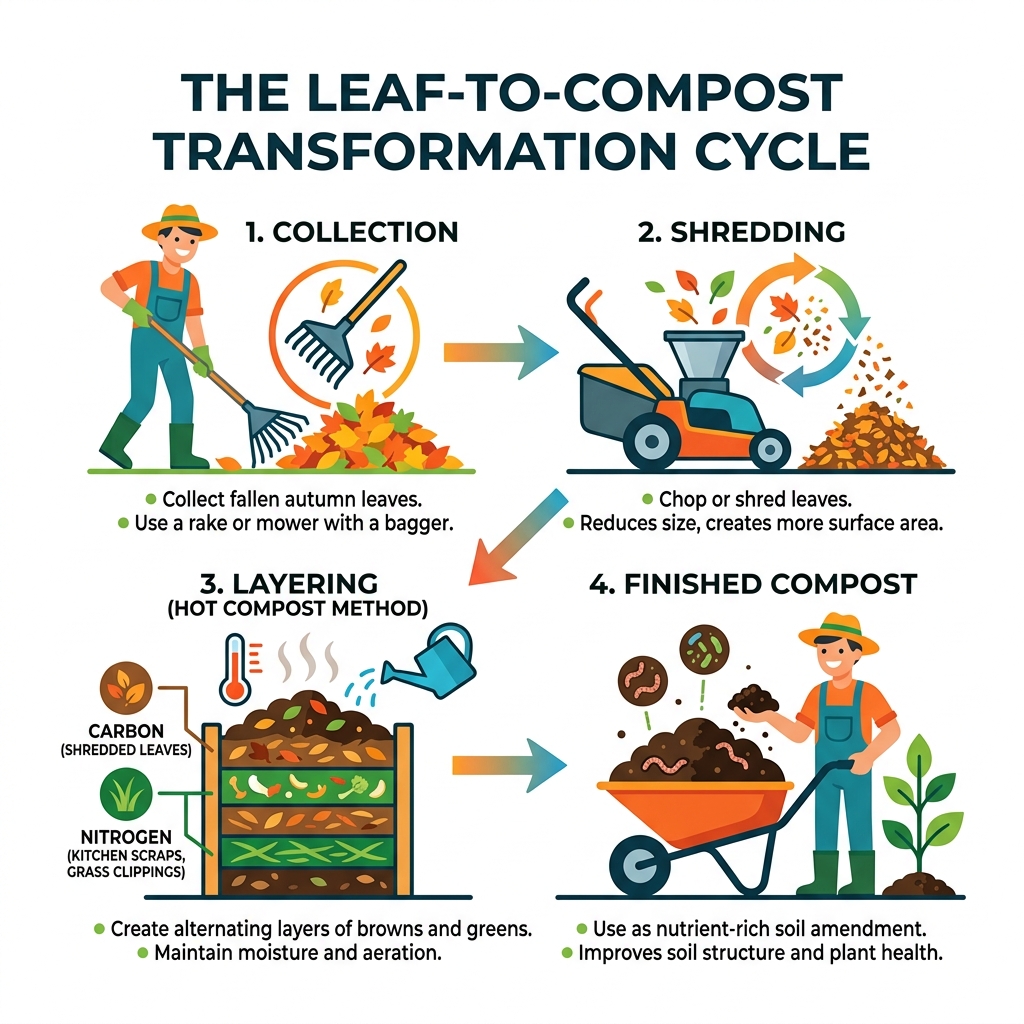
- Collect your fall leaves (shred them if you can)
- Pile or bag them in a contained spot
- Add moisture so the pile feels like a wrung-out sponge
- Optionally add nitrogen (grass clippings, kitchen scraps) to speed things up
- Wait — leaf mold forms in 1-2 years; hot compost is ready in 3-6 months
- Use the dark, crumbly result as mulch or a soil amendment
It really is that straightforward.
Here’s something worth knowing before you haul those bags to the curb: the leaves from a single large shade tree can hold as much as $50 worth of plant food and humus. Pound for pound, most tree leaves contain twice as many minerals as manure. That’s not yard waste — that’s garden gold dropping for free every autumn.
The only real question is which method works best for your space, your schedule, and how fast you want results. That’s exactly what this guide covers.
Choosing Your Fall Leaves Compost Method
When we look at our yards blanketed in gold and crimson, we aren’t just looking at a chore; we’re looking at a massive influx of carbon. To successfully use a fall leaves compost method, we first need to decide which biological “engine” we want to run: fungal or bacterial.
Most traditional composting is bacterial. This is the “hot” method where we mix “greens” (nitrogen) with our “browns” (leaves/carbon). Bacteria feast on the mixture, generating heat that can reach between 120 and 150 degrees Fahrenheit. This process is fast, but it requires more “sweat equity”—you’ll be turning that pile regularly to keep those microbes breathing.
On the flip side, we have the fungal method, which produces something called “leaf mold.” This is how nature cleans the forest floor. It’s a cooler, slower process driven by fungi rather than bacteria. It doesn’t require nitrogen additives or frequent turning, making it the ultimate “lazy gardener” hack.
The mineral content of what we’re working with is staggering. A sugar maple leaf, for example, is over five percent minerals. Even common pine needles contain 2.5 percent of their weight in calcium, magnesium, nitrogen, and phosphorus. By choosing a composting method, we are essentially choosing how to withdraw these minerals from our “backyard savings account.”

The Low-Effort Leaf Mold Approach
If you have a large property or simply don’t have the time to manage a hot pile, the leaf mold approach is for you. This fall leaves compost method relies on fungal activity to break down the tough lignin in tree leaves.
Because fungi work more slowly than bacteria, this method takes anywhere from one to two years. However, the maintenance is almost zero. Here is how we do it:
- The Wire Bin Method: We can create a simple circle using chicken wire or snow fencing. Stake it into the ground, fill it with leaves, and stomp on them to compress the pile. Compression is key here because fungi love a dense, moist environment.
- The Bagging Method: If you don’t want a visible pile, you can use heavy-duty trash bags. Fill them with leaves, add a big bucket of water, tie them shut, and poke a few holes in the bottom for drainage. Stack them in a corner of the yard and forget about them for a year.
- The Open Heap: If you have a hidden corner of the lot, just rake the leaves into a massive pile. As long as the pile is at least three feet high and wide, the center will stay moist enough for the fungi to do their thing.
Leaf mold is a superior soil conditioner. While it isn’t as high in nitrogen as hot compost, its ability to hold moisture is legendary—it can hold several times its weight in water, which saves us money on the water bill during those scorching summer months.
Rapid Hot Composting for Spring Use
For those of us who want our “garden gold” ready by spring planting, we need to turn up the heat. Hot composting is a bacterial process that requires a more balanced “diet” for our microbes.
Leaves have a Carbon-to-Nitrogen (C:N) ratio of roughly 60:1. Some leaves are as high as 85:1. To get a pile “cooking,” we want a ratio closer to 30:1. This means we need to add “greens.”
In a hot fall leaves compost method, we layer about 6 inches of leaves with 2 inches of nitrogen-rich material like grass clippings, fresh manure, or kitchen scraps. If we manage the moisture and turn the pile every week or two to let in oxygen, the temperature will spike. This heat is a gardener’s best friend—it kills off most weed seeds and pathogens, leaving us with a clean, nutrient-dense product in as little as 3 to 6 months.
Essential Steps to Prepare Your Leaves
Preparation is the difference between a pile that sits there for three years and one that transforms into soil by next season. The most important thing we can do? Break those leaves down.
Whole leaves, especially flat ones like maple or oak, tend to mat together when wet. This creates an anaerobic (oxygen-free) barrier that smells like rotten eggs and halts decomposition. By shredding the leaves, we increase the surface area for microbes to attack and prevent that “matting” effect.
We don’t need fancy equipment for this. A simple lawnmower is the best leaf shredder most of us own. We can rake the leaves into thin rows and mow over them, or use a mulching mower to chop them right back into the grass. If we’re collecting them for a pile, a mower with a bagger attachment makes quick work of the task.
| Feature | Whole Leaves | Shredded Leaves |
|---|---|---|
| Decomposition Speed | 1–3 Years | 3–9 Months |
| Airflow | Poor (tends to mat) | Excellent |
| Volume | High (takes up space) | Reduced by up to 80% |
| Best Use | Slow leaf mold | Hot composting / Mulch |
Optimizing the Fall Leaves Compost Method with Nitrogen
As we’ve discussed, leaves are carbon-heavy. To reach that “sweet spot” for fast decomposition, we need to invite nitrogen to the party.
“Greens” aren’t always green in color, but they are always high in nitrogen. Excellent sources include:
- Fresh Grass Clippings: The perfect partner for fall leaves.
- Kitchen Scraps: Fruit peels, vegetable trimmings, and coffee grounds.
- Manure: From herbivorous animals like chickens, cows, or rabbits.
- Garden Supplements: If you don’t have enough organic greens, a sprinkling of blood meal or cottonseed meal can provide the necessary nitrogen boost.
For a deeper dive into the mechanics of balancing your pile, check out your-guide-to-diy-composting-at-home. We recommend a 3:1 ratio of leaves to greens for most backyard setups. This ensures there’s enough carbon to keep the pile structured while providing enough “fuel” for the bacteria to generate heat.
Managing Moisture and Airflow in Your Fall Leaves Compost Method
Microbes are like us—they need water and air to survive. A common mistake is letting a leaf pile dry out. Dry leaves are essentially preserved; they won’t rot.
We want our pile to maintain the consistency of a wrung-out sponge. If we grab a handful of the material and squeeze, it should feel damp, but only a drop or two of water should come out.
Airflow is equally vital. Without oxygen, the “good” bacteria die off, and “bad” anaerobic bacteria take over, creating foul odors. We can ensure good airflow by:
- Turning the pile: Using a pitchfork to move the outer, cooler material into the hot center.
- Using a base: Starting the pile on a layer of coarse twigs or straw to allow air to enter from the bottom.
- Proper sizing: Keeping the pile between 3 and 5 feet tall and wide. Piles smaller than this lose heat too fast; piles larger than this can’t get enough oxygen to the center.
In areas with heavy rain, we might want to cover the pile with a tarp to prevent it from becoming waterlogged. Conversely, in dry climates, a tarp can help hold in precious moisture.
Leaves to Avoid and Common Pitfalls
While most leaves are “garden gold,” there are a few “fools’ gold” varieties we should watch out for.
The most famous “bad” leaf comes from the Black Walnut tree. These trees produce a chemical called juglone, which is toxic to many common garden plants like tomatoes, peppers, and potatoes. While juglone does eventually break down in a hot compost pile, it’s often safer for beginners to keep these leaves out of the garden mix entirely.
We should also be cautious with:
- Diseased Foliage: If your fruit trees had scab or your roses had black spot, don’t compost those leaves. Most backyard piles don’t get hot enough to kill those fungal spores, and you’ll just be spreading the disease back onto your plants next year.
- Oak and Beech: These are perfectly safe but very high in tannins and lignin. They take much longer to break down than maple or birch. If you have a lot of them, shredding is mandatory!
- Evergreen Needles: Pine and spruce needles are acidic and have a waxy coating that resists water. Limit these to no more than 10% of your total pile.
- Invasive Species: Avoid composting the leaves or seeds of invasive plants that might survive the process and take over your garden.
Troubleshooting Slow Decomposition
Is your pile just sitting there, looking exactly the same as it did three months ago? Don’t worry; it happens to the best of us. Usually, it’s one of three things:
- It’s too dry: This is the #1 cause of slow leaf composting. Give it a good soak with the hose while you turn it.
- It’s too “brown”: If the pile is damp but cold, it probably needs more nitrogen. Add some grass clippings or a handful of nitrogen fertilizer.
- It’s matted: If you didn’t shred the leaves, they might have formed an airtight seal. You’ll need to break the pile apart and mix in some “bulky” items like straw or shredded paper to get the air moving again.
Even if you do everything “wrong,” the leaves will eventually turn into soil. Nature is very forgiving; we’re just trying to speed up the clock.
How to Use Your Finished Garden Gold
You’ll know your fall leaves compost method was a success when the pile has shrunk to about one-third of its original size and the material looks like dark, crumbly chocolate cake. It should have a pleasant, earthy aroma—like the woods after a rainstorm.
Once it’s ready, there are several ways to put it to work:
- Soil Amendment: Mix 2-4 inches of compost into your garden beds before planting. This improves the structure of clay soils and the water retention of sandy soils.
- Mulch: Spread a layer around the base of your perennials, shrubs, and trees. This suppresses weeds, regulates soil temperature, and slowly releases nutrients.
- Potting Mix: You can blend your finished compost with perlite or peat moss to create a nutrient-rich home for your container plants.
- Compost Tea: Steep a “tea bag” of compost in a bucket of water for 24 hours to create a liquid fertilizer you can use to water your most demanding plants.
For more creative ways to use your homemade fertilizer, see your-guide-to-diy-composting-at-home-2.
Frequently Asked Questions about Composting Leaves
How long does it take for leaves to break down into usable compost?
The timeline depends entirely on your method. Shredded leaves in a well-managed hot pile can be ready in 3 to 6 months. Whole leaves left in a cold pile or “leaf mold” bin typically take 12 to 24 months. Factors like ambient temperature, moisture levels, and the specific tree species (maple is fast, oak is slow) will all play a role.
Should I cover my leaf pile with a tarp?
It depends on your climate. If you live in a very rainy area, a tarp prevents the pile from becoming a soggy, stinky mess. In a very dry area, a tarp helps retain moisture. However, we always recommend using a breathable cover or leaving a small gap for airflow, as the microbes need oxygen to do their jobs.
Can I compost leaves without adding any “green” materials?
Yes! This is the leaf mold method. While it doesn’t provide the same high-nitrogen punch as traditional compost, it is an incredible soil conditioner. It just requires more patience, as fungal breakdown is a marathon, not a sprint.
Conclusion
At FinanceZenX, we believe that sustainable living and financial wellness go hand in hand. The fall leaves compost method is a perfect example of this philosophy. By “upcycling” the organic matter falling from our trees, we save money on expensive store-bought fertilizers, reduce our water bills, and eliminate the need for costly yard waste disposal services.
Turning leaves into compost isn’t just about gardening; it’s about closing the loop in our own backyards. It’s an investment that pays dividends in the form of healthier plants, more resilient soil, and a deeper connection to the natural cycles of our world.
Ready to take your eco-friendly journey even further? Start your upcycling journey today and discover how simple shifts in your daily routine can lead to a wealthier, greener life. Your garden—and your wallet—will thank you.
