
Why Your Toilet Cleaner Matters More Than You Think
A biodegradable toilet bowl cleaner breaks down naturally after use, without leaving harmful chemicals in your water, pipes, or the environment. Unlike traditional cleaners that contain chlorine, ammonia, and synthetic fragrances, biodegradable options use plant-based ingredients that are safe for your family, your septic system, and the planet.
Quick answer — what makes a toilet bowl cleaner biodegradable?
- Made from plant-derived ingredients like citric acid, cedarwood oil, and natural surfactants
- Free from chlorine bleach, phosphates, synthetic dyes, and ammonia
- Breaks down safely in water without harming aquatic life
- Safe for septic systems and greywater
- Often comes in plastic-free or low-waste packaging (tablets, sheets, or refillable bottles)
Most people don’t think twice about what goes into their toilet cleaner. But every flush sends those chemicals into the water supply. And every empty plastic bottle? It likely ends up in a landfill.
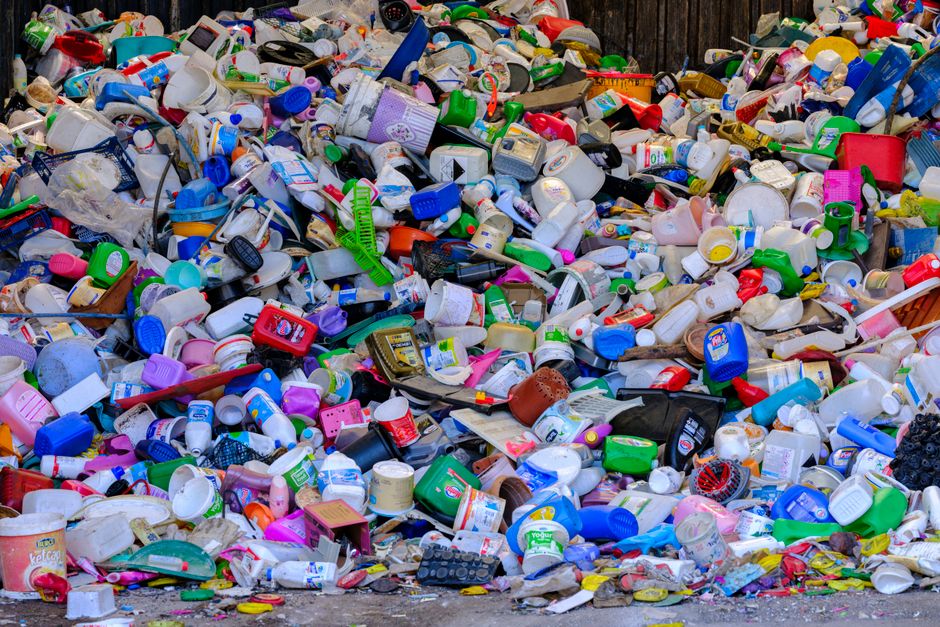
The average household throws away roughly 350 plastic cleaning containers every year, adding to an estimated 42 billion pieces of plastic waste globally. That’s a lot of damage from something as routine as cleaning your bathroom.
The good news: switching to a biodegradable cleaner is one of the easiest swaps you can make. It doesn’t require sacrifice. Many natural cleaners are just as effective on tough stains like limescale, rust, and hard water rings — without the harsh fumes.
This guide walks you through exactly how to clean your toilet naturally, step by step.

Why Switch to a Biodegradable Toilet Bowl Cleaner?
We often talk about “cleaning” our homes, but if we are using harsh chemicals, are we really making things cleaner? Traditional toilet cleaners are frequently packed with hydrochloric acid, chlorine bleach, and ammonia. While these are great at killing everything in sight, they don’t stop working once they leave your bowl.
When we use a standard cleaner, those chemicals travel through our plumbing and into the local water system. For those of us on septic systems, these chemicals can be even more destructive, killing the “good” bacteria needed to break down waste. This leads to expensive repairs and potential environmental contamination.
Beyond the water, there is the massive issue of plastic. As we mentioned, the average household discards about 350 plastic cleaning containers annually. By switching to a biodegradable toilet bowl cleaner, especially in tablet or sheet form, we can significantly reduce this footprint. For instance, using cleaning sheets can save approximately 2.81 pounds of plastic per year.
From a financial perspective, many of these eco-friendly options are now cost-competitive. Concentrated formats like tablets or powders take up 10x less space than traditional bottles and reduce carbon emissions during shipping because they aren’t mostly made of water. In our journey of Uncovering the Best Eco-Friendly Cleaning Products, we’ve found that the long-term savings on plumbing maintenance and the reduced environmental “tax” make these products a clear winner for the conscious consumer.
Key Ingredients for a Natural and Effective Clean
You might be wondering: “Can plants really scrub away a week’s worth of grime?” The answer is a resounding yes. Mother Nature has provided some incredibly powerful descalers and disinfectants.
When shopping for a biodegradable toilet bowl cleaner, look for these key ingredients:
- Citric Acid: Found in citrus fruits, this is a powerhouse for removing limescale and hard water stains. It lowers the pH of the water, dissolving mineral deposits like calcium and magnesium.
- Lactic Acid: Often derived from fermented plants, this acts as a pH adjuster and a gentle but effective cleaning agent.
- Sodium Bicarbonate (Baking Soda): This provides a gentle abrasive action and helps deodorize the bowl.
- Essential Oils (Cedarwood, Pine, Mint): These aren’t just for scent. Pine and cedarwood oils have natural antibacterial and antifungal properties.
- Plant-Derived Surfactants: These help the cleaner “stick” to the bowl and lift away dirt and oils.
| Feature | Natural Descalers (Citric/Lactic Acid) | Synthetic Acids (Hydrochloric Acid) |
|---|---|---|
| Safety | Generally safe for skin/lungs | Can cause chemical burns and respiratory issues |
| Septic Impact | Promotes healthy bacterial balance | Can kill essential septic bacteria |
| Stain Removal | Excellent on mineral deposits | Very aggressive; can damage porcelain over time |
| Biodegradability | 100% biodegradable | Often contains persistent pollutants |
For those who enjoy a bit of kitchen chemistry, you can even look into Natural Cleaning Product Recipes for a Greener Home to see how these ingredients work together in a DIY setting.
Step-by-Step Guide: How to Clean Your Toilet Naturally
Cleaning the toilet is rarely anyone’s favorite chore, but using a natural cleaner makes the experience much more pleasant. You won’t have to hold your breath to avoid toxic fumes, and the natural scents of mint or cedar can actually make the bathroom smell like a spa.
Here is our tried-and-true method for a sparkling, eco-friendly finish:
- The Pre-Flush: Flush the toilet to wet the sides of the bowl. This helps the cleaner adhere to the surface rather than just sliding down into the water.
- Apply the Cleaner:
- If using a liquid like ECOS® PRO Toilet Cleaner, squeeze the product under the rim and around the bowl.
- If using a tablet like Blueland Toilet Bowl Cleaner Tablets, simply drop one into the water and wait for it to finish fizzing (usually 2-5 minutes).
- The Dwell Time: This is the most important step! Let the cleaner sit for at least 5 to 10 minutes. This gives the plant-based acids time to break down mineral buildup and neutralize bacteria.
- Scrub: Use a toilet brush to scrub the entire bowl, paying special attention to the area under the rim and the water line where rings often form.
- Final Flush: Flush to rinse away the grime.
For more tips on maintaining a sustainable home, check out our guide on Easy to Make Plant-Based Cleaners for the Home.
Best Practices for Applying a Biodegradable Toilet Bowl Cleaner
To get the most out of your biodegradable toilet bowl cleaner, we recommend a few “pro” tips:
- The Overnight Soak: For heavy limescale or stubborn rust, apply the cleaner (liquid or a dissolved tablet) before you go to bed. Leaving it overnight allows the citric acid to work its magic on even the toughest mineral deposits.
- Neutralize Bacteria: Many high-quality natural cleaners, such as those from The Bio-D Company, are certified to neutralize 99.9% of harmful bacteria like E. coli and Salmonella. Ensure you follow the “contact time” on the label (usually 60 seconds to 5 minutes) to ensure disinfection.
- Tackle the Pink Ring: That pink ring you sometimes see isn’t actually rust; it’s often a bacteria called Serratia marcescens. Regular use of a plant-based cleaner with essential oils like tea tree or eucalyptus can help prevent this from returning.
Choosing Between Tablets, Sheets, and Liquid Formats
The format you choose depends on your lifestyle and your storage space.
- Tablets and Sheets: These are the gold standard for zero-waste. Brands like Blueland and Freddie offer plastic-free packaging (usually compostable paper or recyclable tins). Because they don’t contain water, they are much lighter to ship, which slashes their carbon footprint.
- Liquid Cleaners: If you prefer the traditional “squeeze and scrub” method, look for brands like ECOS® or Seventh Generation. These often come in bottles made from post-consumer recycled plastic. To be even more eco-friendly, look for 5L refill sizes like those offered by Bio-D to reduce the total number of bottles you buy.
- Powders: Options like Nellie’s Cleaner or Seventh Generation’s powder format provide great value and often come in highly recyclable steel canisters.
Understanding Certifications and Safety Standards
With so much “greenwashing” out there, how do you know if a product is truly a biodegradable toilet bowl cleaner? Look for third-party certifications on the label. These organizations do the hard work of verifying a company’s claims.
- EPA Safer Choice: This label from the U.S. Environmental Protection Agency ensures that every ingredient in the product has been vetted for human health and environmental safety.
- Leaping Bunny: This is the gold standard for cruelty-free products, ensuring no animal testing was involved at any stage of development.
- B Corporation: This indicates the company meets high standards of social and environmental performance, transparency, and accountability.
- Septic-Safe: This is crucial if you have a septic tank. It means the formula won’t disrupt the delicate microbial balance of your system.
- Climate Positive: Some brands, like ECOS, actually restore more than 100% of the carbon, water, and energy used to make them, making them a “climate positive” choice.
Understanding these logos can help you make a faster, safer choice at the grocery store. For more on creating a safe environment, see our article on Reviving Your Space with DIY Natural Cleaners.
Frequently Asked Questions about Natural Toilet Care
Is a Biodegradable Toilet Bowl Cleaner Safe for Septic Systems?
Yes, absolutely. In fact, they are often better for septic systems than conventional cleaners. Septic systems rely on a thriving colony of bacteria to break down solids. Harsh chemicals like bleach or ammonia act as “scorched earth” agents, killing off these helpful microbes. A biodegradable toilet bowl cleaner uses plant-based ingredients that break down naturally and won’t cause drainage blockages or kill your septic “helpers.” Some even contain probiotics to help boost your system’s efficiency.
Are natural cleaners effective against tough limescale and rust?
Many people worry that natural means “weak,” but citric acid is remarkably effective at dissolving the minerals that cause limescale and rust. Hard water contains minerals like iron, magnesium, and calcium. These minerals deposit on the porcelain, creating those unsightly orange or white rings. Because natural cleaners have a lower pH (more acidic), they dissolve these minerals on contact. For the best results on rust, look for cleaners containing lemon or orange essential oils, which provide extra solvent power.
How often should I use biodegradable cleaners?
For a standard household, we recommend a deep clean once a week. However, if you live in a high-traffic home or an area with very hard water, you might want to use a quick-dissolve tablet every 2 to 3 days to prevent mineral buildup from taking hold. Regular maintenance is always easier than trying to scrub away a month’s worth of limescale!
Conclusion
Switching to a biodegradable toilet bowl cleaner is a small change with a massive impact. By choosing plant-based ingredients and zero-waste packaging, we protect our water, our soil, and our families from unnecessary chemical exposure.
At FinanceZenX, we believe that financial wellness and ecological responsibility go hand-in-hand. Investing in products that protect your home’s infrastructure (like your septic system) and the planet’s health is a win-win for your wallet and your conscience.
Ready to dive deeper into a sustainable lifestyle? Explore More info about eco-friendly products to find more ways to integrate eco-friendly philosophies into your daily routine. Happy cleaning!
