
Why Mason Jar Food Storage Is a Game-Changer for Your Kitchen
Mason jar food storage is one of the simplest, most effective ways to organize your pantry, cut plastic waste, and keep food fresher for longer.
Here’s a quick overview of the key benefits:
- Airtight seal – keeps dry goods, grains, and pantry staples fresh
- Full visibility – see exactly what you have at a glance, no label-hunting
- Chemical-free – glass contains no BPA or harmful plastics
- Reusable and durable – one investment that lasts for years
- Zero-waste friendly – replaces single-use plastic bags and containers
- Versatile sizes – from 4 oz spice jars up to 64 oz half-gallon jars
If you’ve ever opened a cupboard to find stale cereal, mystery plastic bags, or a tower of mismatched containers, you’re not alone.
The good news? Glass mason jars have been solving exactly this problem for over 140 years. Originally invented by Philadelphia tinsmith John Landis Mason before household refrigeration even existed, these humble jars have stood the test of time — and for good reason.
For eco-conscious households, the appeal goes beyond tidiness. Every reusable glass jar you fill is one less plastic bag or disposable container heading to landfill. That’s a small swap with a real impact.
This guide walks you through everything you need to know — from picking the right jar to organizing your pantry like a pro.
The Core Benefits of Mason Jar Food Storage
When we talk about mason jar food storage, we aren’t just talking about a trendy aesthetic. We are talking about a functional powerhouse that aligns perfectly with a sustainable lifestyle. At FinanceZenX, we believe that financial wellness and eco-friendly philosophies go hand-in-hand. By investing in high-quality glass storage, you reduce the long-term cost of replacing flimsy plastic and minimize food waste by keeping your ingredients fresher for significantly longer periods.
The primary advantage of glass is its non-porous nature. Unlike plastic, glass doesn’t leach chemicals like BPA into your food, nor does it absorb the smells of last week’s curry. Whether you are storing delicate tea leaves or pungent garlic cloves, the glass remains neutral and easy to sanitize. Furthermore, the durability of brands like Ball® or IKEA’s KORKEN series ensures that these jars can be used for decades. In fact, many households still use jars passed down through generations!
From a financial perspective, buying in bulk is one of the most effective ways to save money. However, bulk buying only works if you have the proper storage solutions to prevent spoilage. Mason jar food storage provides that airtight environment that keeps pests out and crispness in.
Wide Mouth vs. Regular Mouth for Mason Jar Food Storage
Choosing between a wide mouth and a regular mouth jar might seem like a minor detail, but it drastically changes how you interact with your pantry.
Regular Mouth Jars These jars have a slightly tapered “shoulder” near the top. They are excellent for pourable items like milk, juices, or small grains like quinoa and flax seeds. Because the opening is narrower, it’s easier to control the flow when pouring.
Wide Mouth Jars If you’ve ever tried to shove a whole head of cauliflower or a large scoop of flour into a regular mouth jar, you know the struggle. Wide mouth jars are the gold standard for versatility. The straight sides make them easy to fill with bulky items like pickles, peach halves, or even meal-prepped salads. More importantly, they are a dream to clean because you can actually fit your hand inside with a sponge. For those who bake, a wide mouth jar is essential for maintaining a sourdough starter, allowing you to stir and feed the culture without making a massive mess.
Choosing the Right Sizes for Dry Goods and Liquids
To truly reduce plastic use at home, you need a variety of sizes to match your shopping habits. Mason jars typically come in ten different volume capacities, but four sizes dominate the average pantry:
- 4 oz (Quarter Pint): Perfect for spices, dried herbs, or homemade lip balms.
- 16 oz (Pint): The “all-rounder.” Use these for jams, jellies, or single servings of overnight oats.
- 32 oz (Quart): This is the most popular size for mason jar food storage. It’s ideal for storing a standard bag of beans, rice, or large batches of soup.
- 64 oz (Half-Gallon): These are the heavy hitters. We use these for flour, sugar, and bulky snacks like pretzels or popcorn kernels.
By matching the jar size to the volume of the food, you minimize the amount of “headspace” (extra air) in the jar, which helps maintain freshness.
How to Properly Seal and Maintain Your Glass Jars
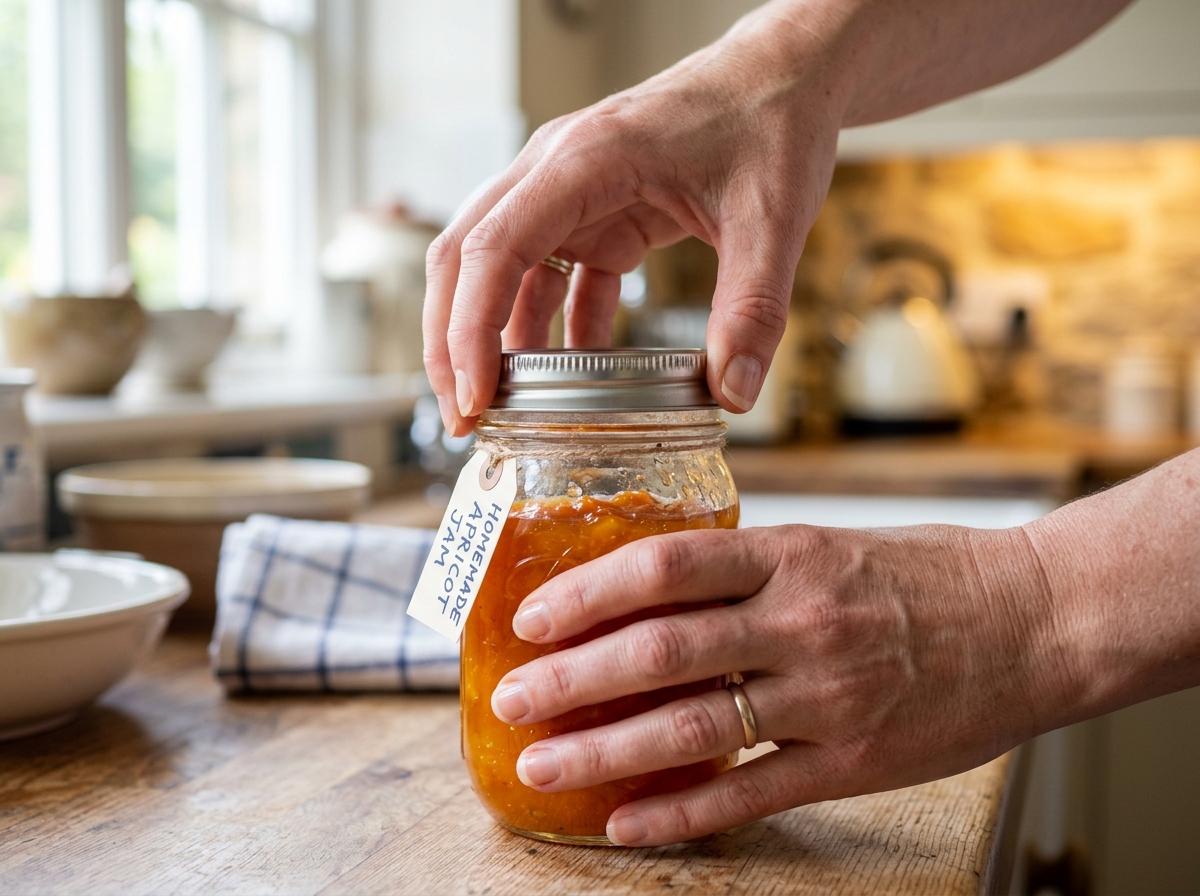
To reduce household waste effectively, you must understand the mechanics of the seal. Not all lids are created equal, and the type of lid you choose depends on whether you are “preserving” (canning) or simply “storing” (pantry organization).
For long-term canning, the traditional two-piece lid—consisting of a flat metal disk with a sealing compound and a threaded metal band—is the industry standard. When processed in a water bath or pressure canner, these lids create a vacuum seal that can keep food safe for up to 18 months.
For everyday pantry storage, however, you have more flexible options:
- Latch Systems: Jars like the Ball® Storage Latch or IKEA KORKEN use a wire bail and a silicone gasket. These provide a quick, airtight seal that is perfect for items you access daily, like coffee or cereal.
- Wooden or Plastic Lids: Many modern storage jars feature decorative wooden lids with silicone rings. While beautiful for countertop display, ensure the silicone gasket is thick enough to create a true airtight barrier.
Comparison Table: Storage Materials
| Feature | Glass Jars | Metal Tins | Plastic Containers |
|---|---|---|---|
| Airtightness | Excellent | Good to Very Good | Varies |
| Visibility | 100% (Clear) | 0% (Opaque) | Clear to Opaque |
| BPA/Chemical Free | Yes | Usually (if lined) | Often contains BPA/BPS |
| Durability | High (Breakable) | High (Dents) | Low (Warps/Stains) |
| Eco-Impact | Recyclable/Reusable | Recyclable | High Waste Potential |
Maintaining your jars is simple: most glass bodies are dishwasher safe. However, metal lids and bands should be hand-washed and dried immediately to prevent rust. If you notice any chips or cracks along the rim of the jar, retire it from canning immediately, as it will no longer hold a safe vacuum seal.
Creative DIY Solutions for Pantry Organization
Once you’ve committed to mason jar food storage, the next step is making the system work for your space. A well-organized home reduces stress and prevents you from buying “duplicates” of items you already have buried in the back of a cabinet.
One of our favorite DIY hacks is using reclaimed wood pallets to build custom canning cupboards. Because mason jars are heavy when filled, standard thin shelving can sometimes bow. Pallet wood provides a sturdy, rustic, and frugal alternative.
Labeling is also key. You can use:
- Chalkboard Paint: Paint a small circle on the lid or a rectangle on the side of the jar.
- Vinyl Decals: For a clean, modern look.
- Wet-Erase Markers: These work directly on the glass and wipe off easily when you switch contents.
Maximizing Space with Mason Jar Food Storage Organizers
If you have a small kitchen, you have to think vertically. Here are some expert ways to maximize your footprint:
- Stackable Lids: Look for jar series specifically designed with recessed lids that allow another jar to sit securely on top.
- Under-Shelf Magnets: For small spice jars, you can glue strong magnets to the underside of your cabinets and “hang” the jars by their metal lids.
- Tiered Racks: Use “stadium seating” style inserts in your pantry so you can see the jars in the back row just as clearly as those in the front.
repurposing jars isn’t just for the pantry. A quart jar can become a vase, a coin bank, or even a bathroom organizer for cotton swabs.
Safety First: Long-Term Storage and Maintenance Tips
Safety is paramount when dealing with food preservation. Always look for premium jars that are certified lead-free and tested for heavy metals like cadmium and mercury. Some high-end brands offer glass that is up to 50% thicker than standard jars, which provides extra security during pressure canning or if the jar is accidentally bumped.
To keep your jars in “mint condition,” follow these storage tips for empty vessels:
- Avoid Temperature Shock: Never pour boiling liquid into a cold jar, or place a hot jar on a cold granite countertop. This can cause the glass to shatter instantly.
- Low-Space Storage: Store your heavy glass jars on lower shelves. If an earthquake or a clumsy hand causes a fall, the distance is shorter, and the risk of a “glass-tastrophe” is minimized.
- The “Box” Method: Save the original cardboard boxes your jars came in. They are designed with dividers that prevent the jars from clinking against each other, which reduces the risk of hairline fractures.
- Check the Rims: Before every use, run your finger along the rim. If you feel a chip, the jar is no longer safe for canning, though it may still be used for dry zero-waste kitchen hacks.
Frequently Asked Questions about Mason Jar Storage
Can I use any mason jar for pressure canning?
Not necessarily. While most name-brand jars (like Ball® or ForJars) are designed to withstand the high heat and pressure of a canner, some decorative or “storage-only” jars are made of thinner glass that may crack under pressure. Always check the manufacturer’s label to ensure they are “Canner Safe.”
How long does food stay fresh in an airtight glass jar?
For dry goods like white rice or beans, an airtight seal can extend shelf life to 2–5 years if stored in a cool, dark place. For home-canned goods, the USDA recommends consuming them within 12 months for peak quality, though the seal can remain safe for up to 18 months.
Are all glass mason jars lead-free and food-safe?
Most modern jars manufactured for canning are lead-free. However, be cautious with vintage jars or decorative “mason-style” jars found in craft stores, as these may not meet the same rigorous food-safety standards. Stick to trusted brands that provide heavy-metal testing certifications.
Conclusion
Embracing mason jar food storage is more than just a kitchen upgrade; it’s a commitment to a more intentional, sustainable way of living. By choosing glass over plastic, you are investing in your health, your wallet, and the planet.
At FinanceZenX, we believe that small, eco-friendly changes lead to significant financial and personal wellness over time. Whether you are starting with a single row of spice jars or building a full-scale pallet pantry, the journey toward a more organized and waste-free home starts with that first “pop” of a sealed lid.
Ready to transform your kitchen? Start your journey toward a greener home with our curated eco-products and join the movement of households that are “jarring around” for all the right reasons.
